5 min read
How to Read Old English Handwriting
Read old English handwriting by comparing historical letterforms, following document structure, and checking an OCR draft beside the source.
On this page
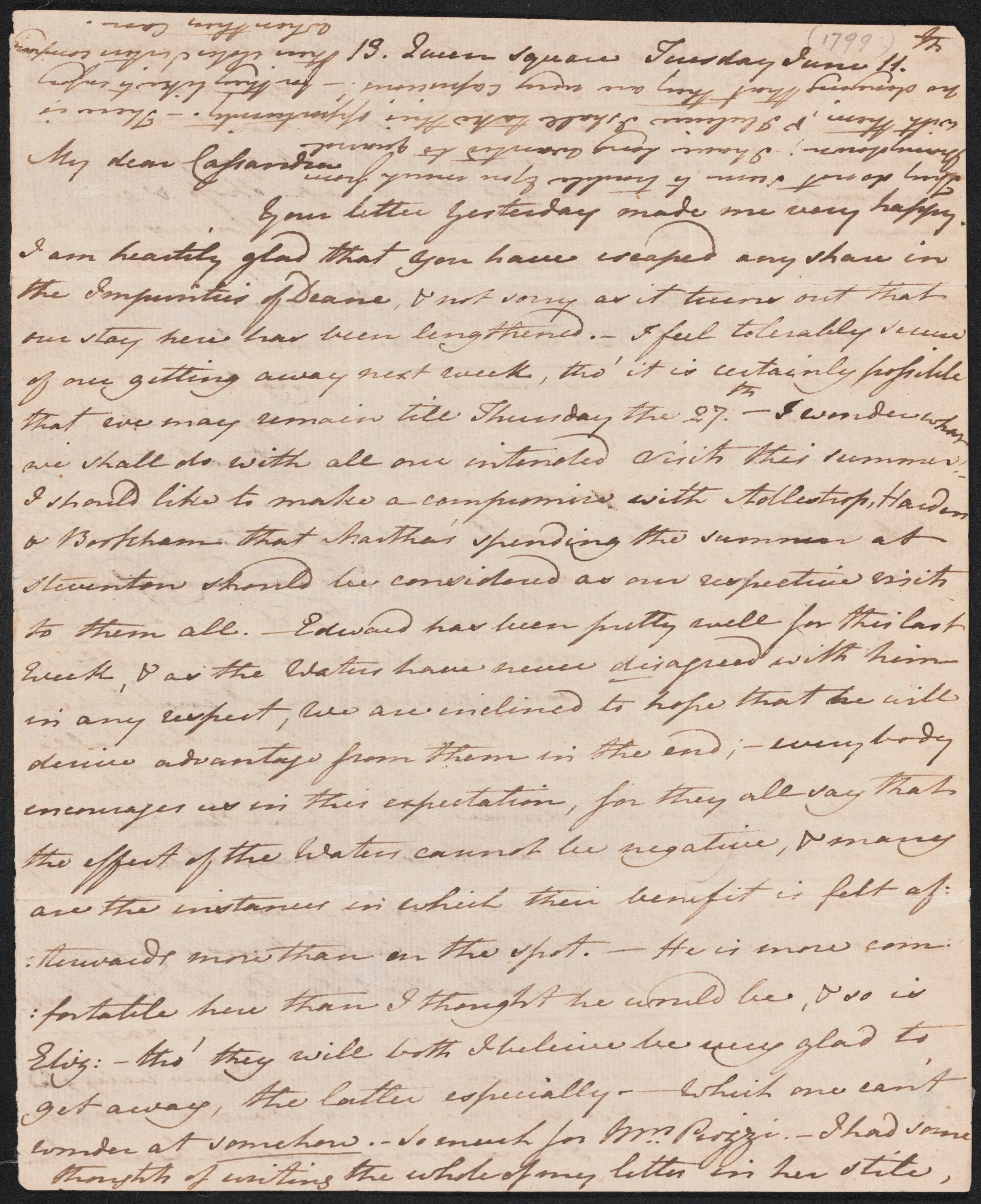
Old English handwriting becomes easier to read when you build evidence from the page itself. Start with familiar English words, compare repeated letters, and keep uncertain readings visible. Here, “old English” means handwriting in historical English documents, not the Old English language of the early medieval period.
Identify the English document before reading
Note the date, place, document type, and archive reference. English handwriting in a parish register has a different structure from a personal letter. Find the printed headings or recurring phrases first. Keep signatures and marginal additions separate when their handwriting differs from the main entry.
Learn historical English letterforms in context
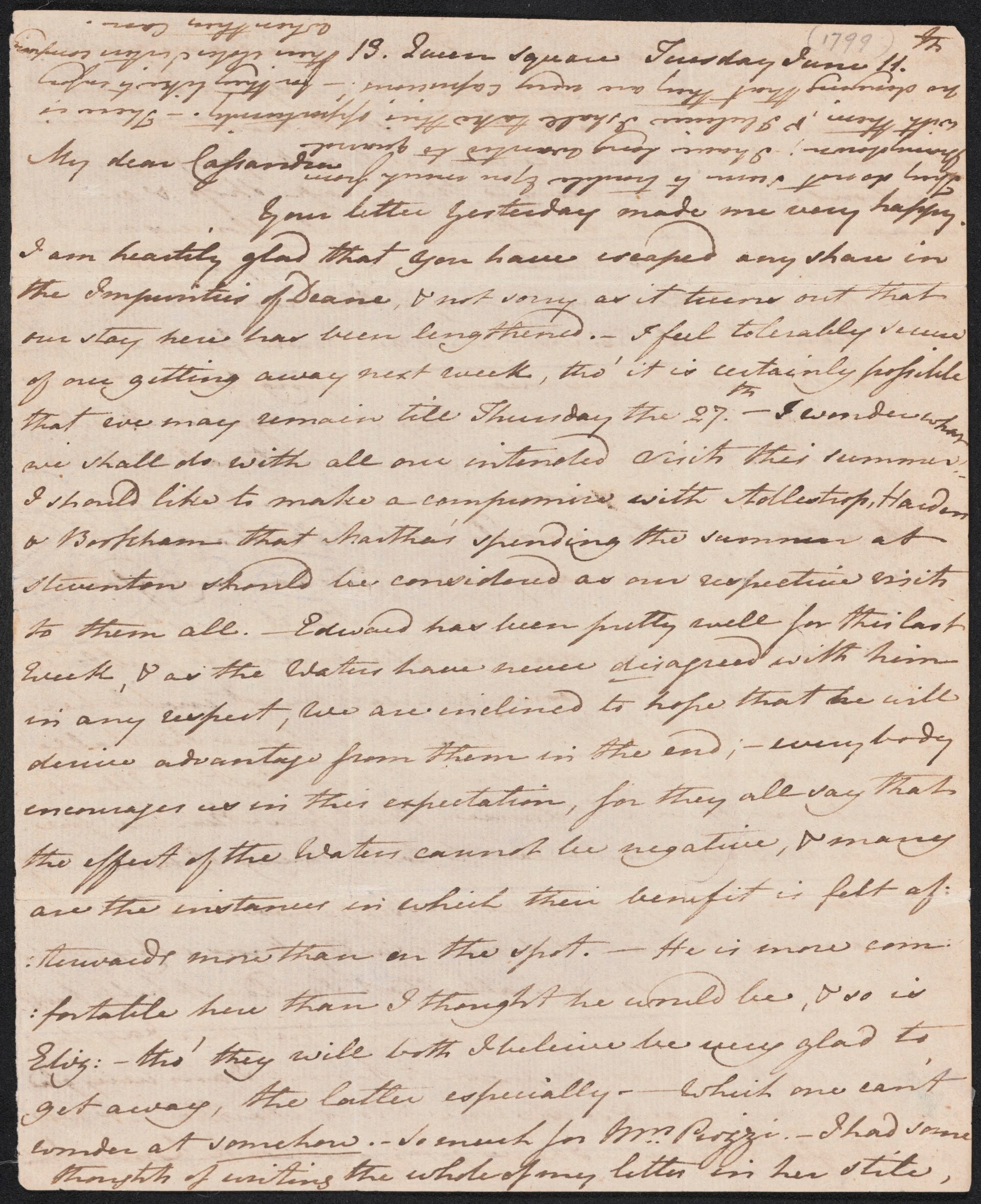
English handwriting can use letterforms unfamiliar to a modern reader. Long s may resemble f, while some documents use u and v in ways that differ from current spelling. Treat these as possibilities to test against the period and the writer's handwriting, not automatic substitutions for every unusual mark.
| Reading problem | Compare in the handwriting | Review decision |
|---|---|---|
| A mark resembles f or long s | Other clear examples by the same writer | Choose the reading supported by the whole word |
| Repeated short strokes | Known words with similar joins and endings | Keep the complete handwriting group in view |
| A shortened name or word | The writer's other abbreviations | Preserve the abbreviation before expanding it in a note |
Build a small English word list from confirmed readings. A greeting, recurring occupation, or register heading can reveal several useful letter shapes. Compare handwriting by the same writer before consulting a generic alphabet. A plausible sentence still needs visible letters to support it.
How to read old English handwriting step by step
Open the old English handwriting reader for a draft, then review its text against the source. The steps below focus on handwriting evidence rather than modernizing the English wording.
1. Upload a clear English handwriting image
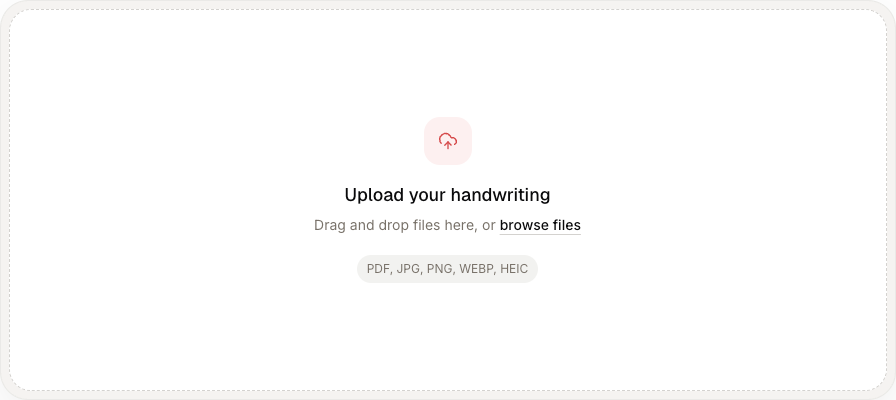
Drag in your image or select browse files. Include the full English entry, its heading, and nearby handwriting for comparison. The tool accepts PDF, JPG, PNG, WebP, and HEIC. Upload a PDF alone if the document contains several pages; keep an untouched source copy.
2. Convert the handwriting and check a clear line
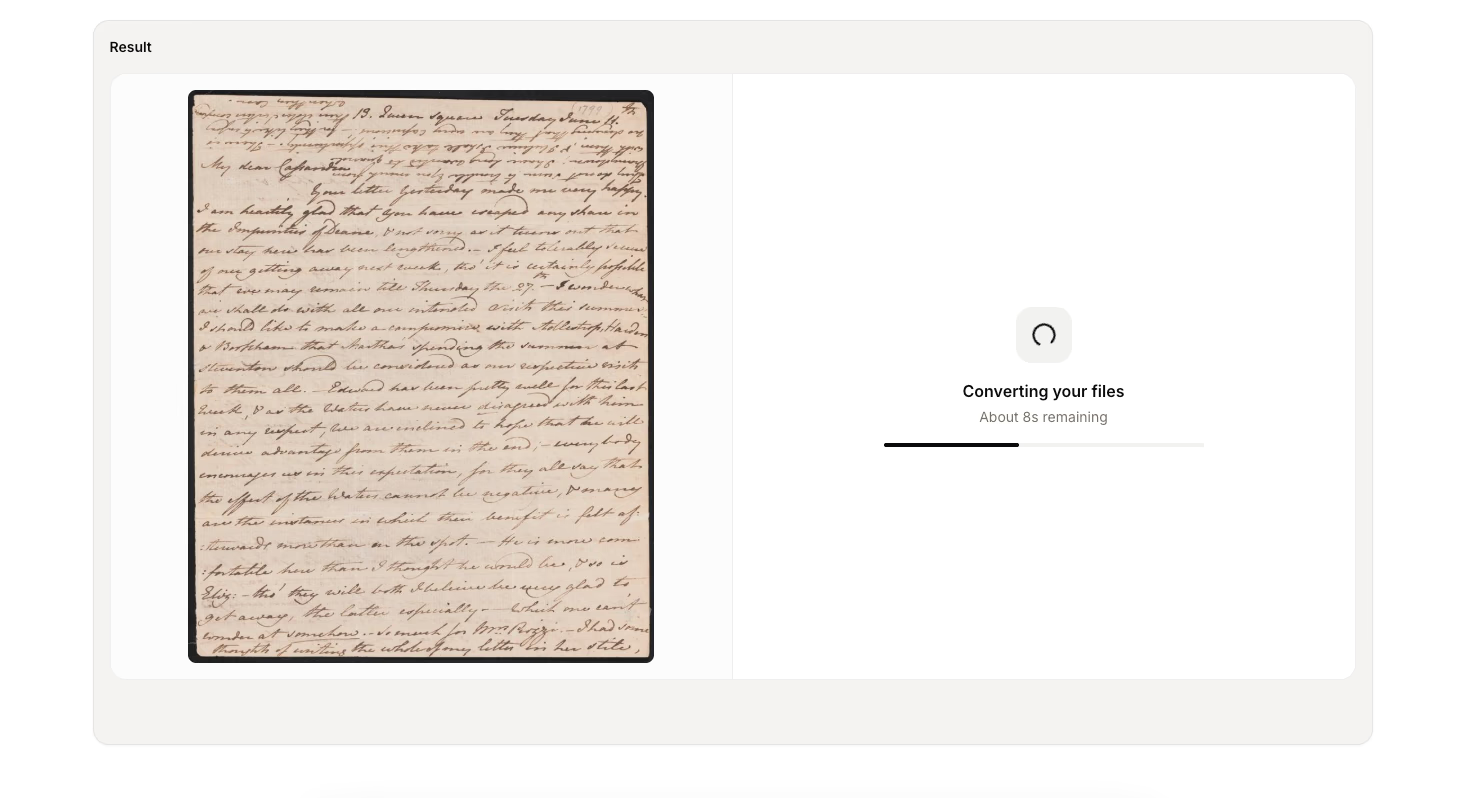
Select Convert after the preview appears. When the draft is ready, choose a readable line and compare every word with the handwriting. Check that line endings, abbreviations, and crossed-out words have not changed the meaning. Keep the original English spelling in the source transcription.
3. Resolve names and preserve the English text
Compare uncertain handwriting with confirmed words, then review surnames, places, and dates separately. Use the page controls for a longer document. Download the checked text as TXT, Word, or Markdown. Keep modern spelling suggestions in notes rather than silently rewriting the historical English transcription.
Practice with one register entry
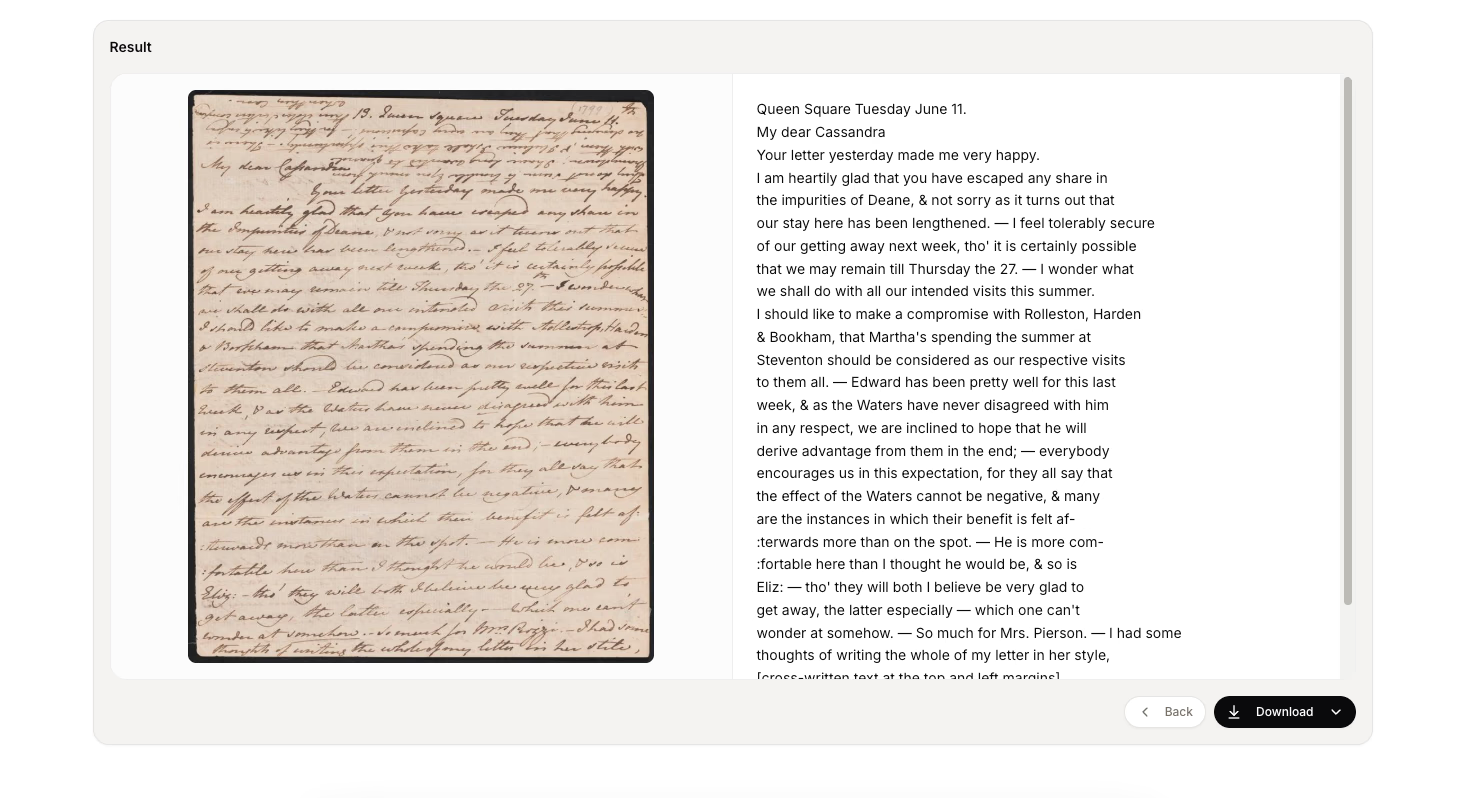
In the English register shown above, follow one row from the date to the final column. Locate the name before deciding who the other people are. Check the printed headings and compare handwriting in neighboring rows. Do not pull a name from the next entry simply because it makes the English sentence easier to read.
Keep interpretation separate
For preservation and file naming, continue with the old letters guide. If image quality is the main obstacle, use the difficult handwriting checklist before making more guesses about the English text.
Check historical handwriting beside a draft
Keep the English source visible while reviewing words, names, and dates.
Frequently asked questions
- Does old English handwriting mean the Old English language?
Not here. This guide covers handwriting in historical English records. A much earlier Old English text needs appropriate language knowledge and specialist references.
- Should I modernize the English spelling?
Keep the visible English spelling in a source transcription. Put expansions or modern equivalents in a separate reading copy so the handwriting remains the reference.
- Can I identify an English name from context alone?
Use context to test a reading, then check the handwriting. Names can look like familiar English words; retain uncertainty when the strokes do not support one answer.