Highly cursive writing style
Spanish handwriting often uses flowing cursive strokes where letters are tightly connected, making word boundaries difficult to identify.
Spanish cursive handwriting appears across centuries of civil, church, and colonial records in Spain and Latin America. Upload documents and convert handwritten Spanish text into readable digital form.
Historical Spanish handwriting varies widely across regions and time periods, especially in church and civil records written before modern standardization.
Spanish handwriting often uses flowing cursive strokes where letters are tightly connected, making word boundaries difficult to identify.
Older documents may include regional spelling variations, abbreviations, and clerical shorthand used in archives and church records.
Faded ink, paper damage, and scanned copies of old documents can make handwritten Spanish records difficult to read.
From civil registries to colonial archives, Spanish cursive appears across centuries of handwritten records.
Extract genealogical information from Spanish civil registry documents (Registro Civil) written in cursive handwriting.
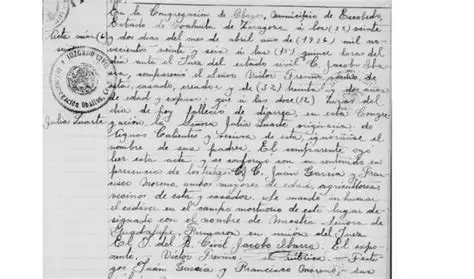
Read baptism, marriage, and burial entries from historical Spanish parish books.
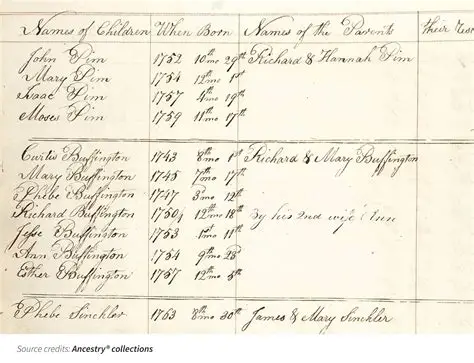
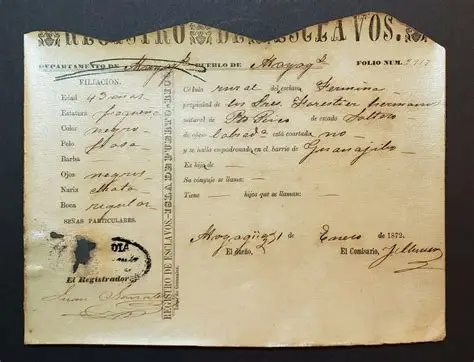
Understand historical Spanish colonial records, official documents, and legal archives.
Convert handwritten Spanish letters, diaries, and personal notes into readable text.
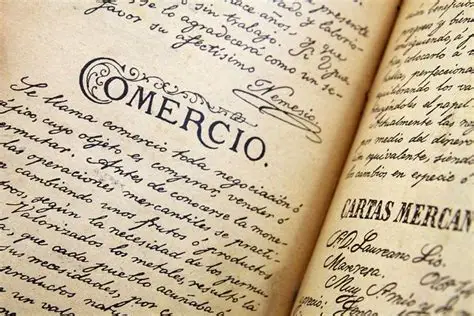
Convert Spanish cursive handwriting into readable text in three steps.
Upload a scan or photo of a Spanish handwritten document such as a civil record, church book, or letter.
The system analyzes historical Spanish cursive and generates a readable transcription of the text.
Check the output, correct unclear words if needed, and export the final text for genealogy or archival use.
Standard OCR is designed for printed text. Spanish cursive handwriting requires recognition of connected historical script patterns.
This tool is designed for anyone working with historical Spanish handwritten documents.
Trace family history through Spanish and Latin American civil and parish records across centuries.
Transcribe colonial, legal, and historical Spanish documents for research and publication.
Digitize handwritten Spanish archival materials for preservation and indexing.
Common questions about Spanish handwriting.
Upload a Spanish historical document and convert cursive handwriting into readable text instantly.