School-based historical script
Sütterlin was standardized for education, but its shapes differ significantly from modern handwriting, making it hard to interpret today.
Sütterlin is a historical German handwriting style taught in schools in the early 20th century. Upload old documents and convert Sütterlin script into readable digital text.
Although Sütterlin was once taught in German schools, it is no longer used today. Its stylized cursive letterforms are unfamiliar to modern readers.
Sütterlin was standardized for education, but its shapes differ significantly from modern handwriting, making it hard to interpret today.
Letters in Sütterlin are more uniform than Kurrent, but still highly stylized and difficult to recognize without training.
Many surviving documents are scanned from old school books, letters, or records with fading ink and paper damage.
Use this tool to convert historical German handwritten materials into readable text for research and preservation.
Convert handwritten school exercises, notebooks, and educational materials written in Sütterlin script.
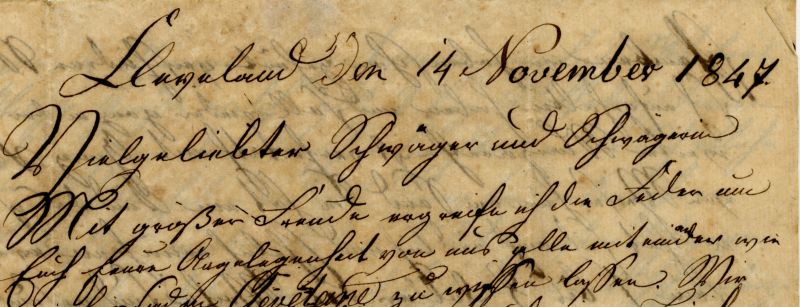
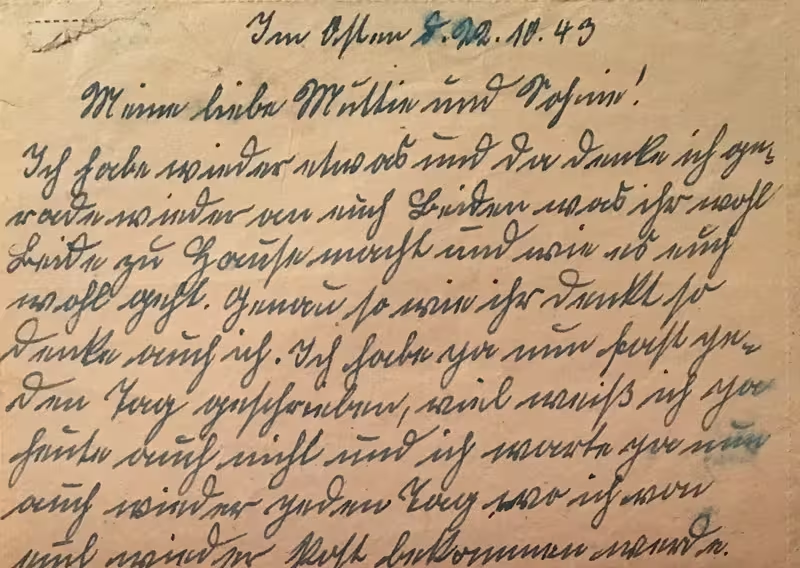
Read personal letters written in early 20th-century German handwriting used by families across Europe.
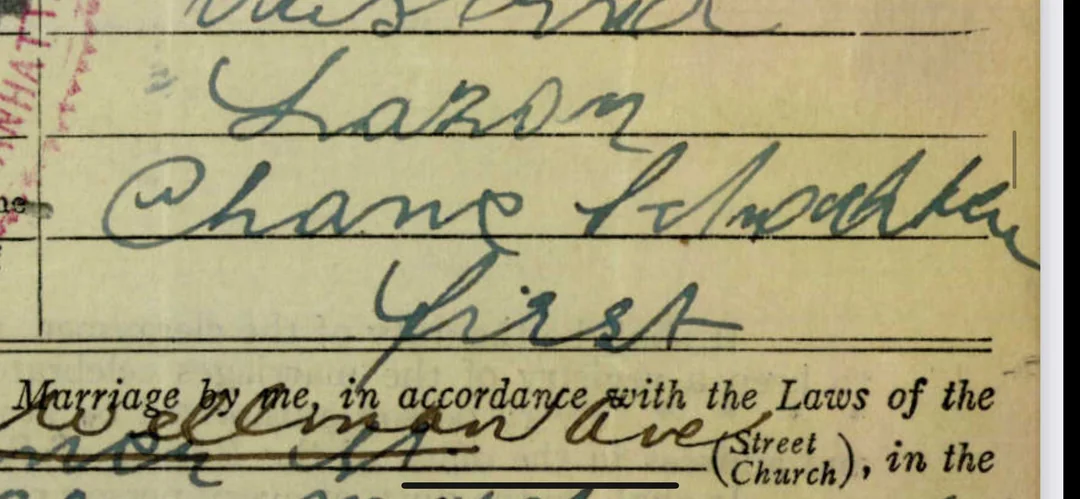
Extract information from official records, certificates, and administrative papers written in Sütterlin.
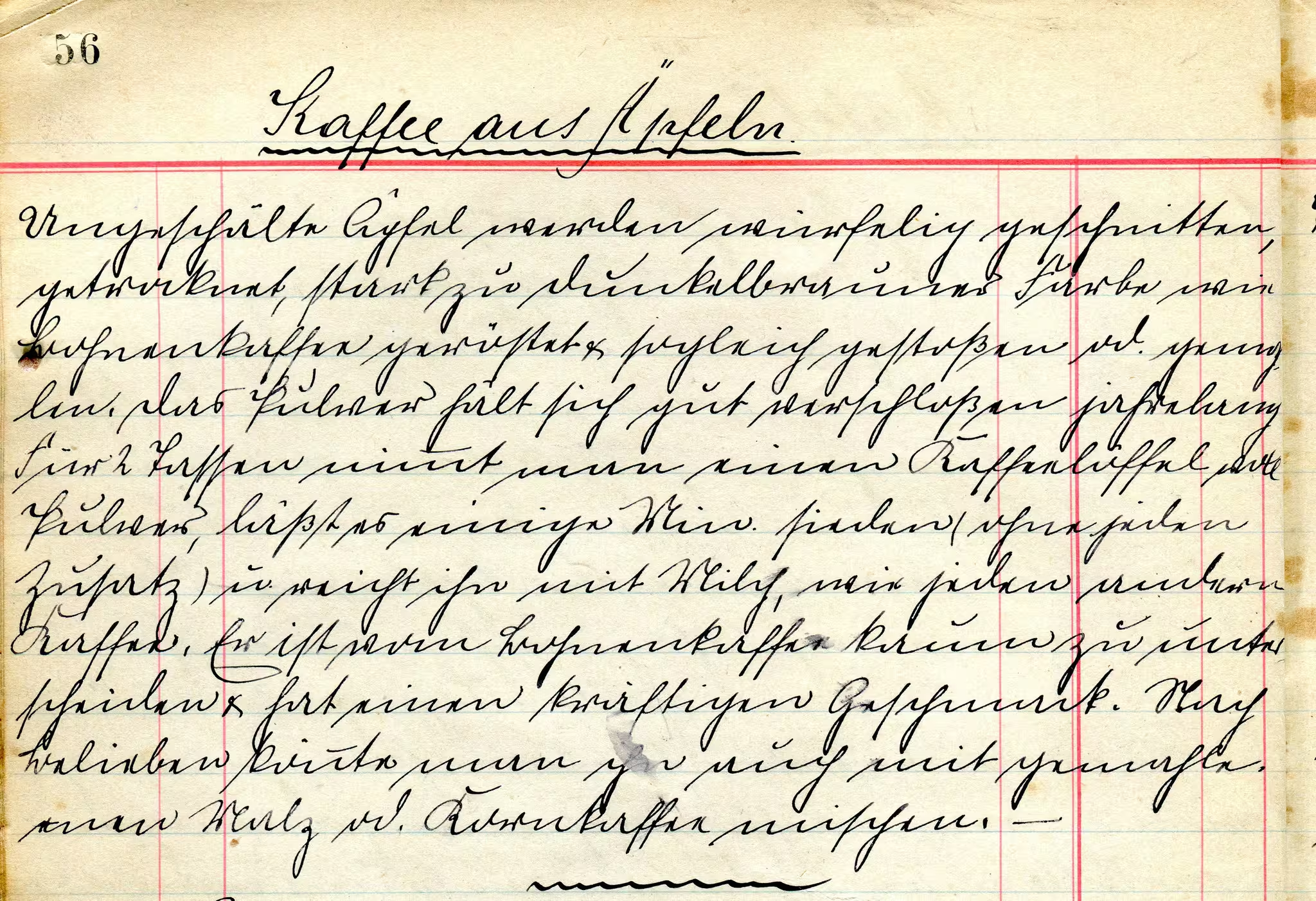
Turn handwritten diaries and personal notes into structured, readable digital text.
Sütterlin and Kurrent are closely related German scripts, but they come from different periods and have different writing styles.
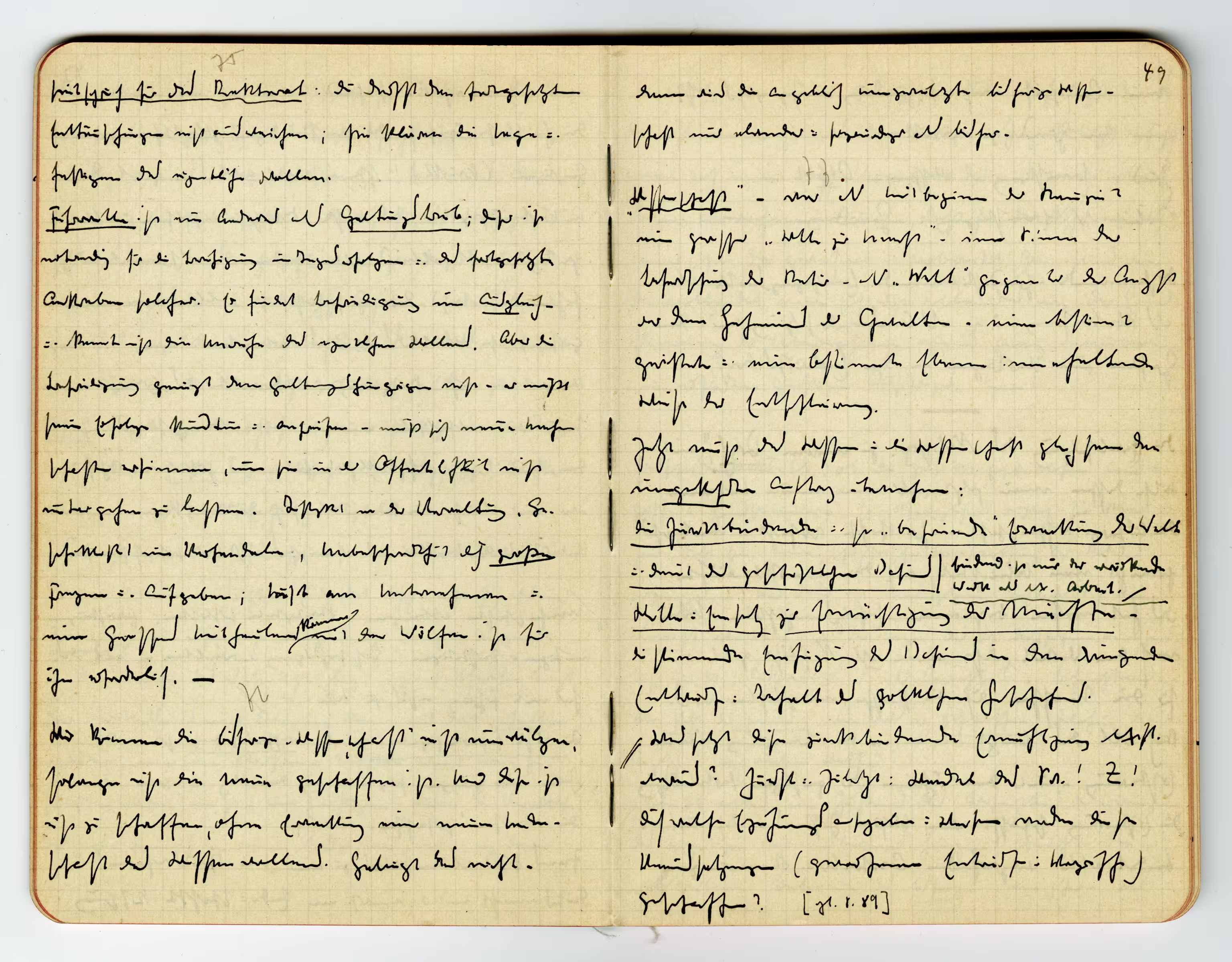
A standardized German handwriting style taught in schools in the early 20th century. It uses more uniform and rounded letter shapes.
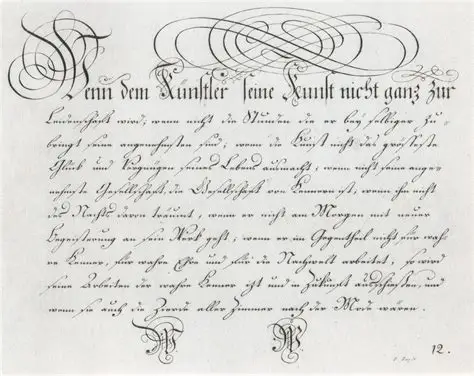
An older and more variable cursive style used across German-speaking regions before Sütterlin became common in schools.
Sütterlin is more standardized and easier to recognize, while Kurrent is older, more varied, and often harder to read.
Convert Sütterlin handwriting into readable text in three steps.
Upload a photo or scan of a Sütterlin handwritten document such as a school notebook, letter, or archive page.
The system analyzes Sütterlin script and generates a readable transcription of the text.
Check the output, correct unclear words if needed, and export the final text for research or archival use.
Standard OCR is designed for printed text, not handwritten historical scripts like Sütterlin.
This tool is designed for anyone working with historical German handwritten documents from the early 20th century.
Read family records, letters, and civil documents written in Sütterlin script.
Transcribe early 20th-century German documents for research and publication.
Digitize and preserve handwritten Sütterlin documents from archives and collections.
Common questions about Sütterlin handwriting.
Upload a German historical document and convert Sütterlin script into readable text instantly.