Mixed languages in one document
Church and civil records often combine Latin with local languages such as Spanish, French, or Italian within the same entry.
Historical records written in Latin and European languages appear across centuries of church books, civil registries, and archival documents. Upload your files and convert handwritten records into readable digital text.
Genealogical and archival documents often use Latin or mixed-language handwriting styles that vary across regions, centuries, and scribes.
Church and civil records often combine Latin with local languages such as Spanish, French, or Italian within the same entry.
Latin records frequently use shorthand, abbreviations, and standardized legal or religious phrases that are difficult to interpret without context.
Faded ink, damaged pages, and old scanning quality make historical documents difficult to read even when the script is familiar.
From church books to civil registries, Latin-based records appear across centuries of European and Latin American archives.
Extract genealogical information from parish books written in Latin and local languages.
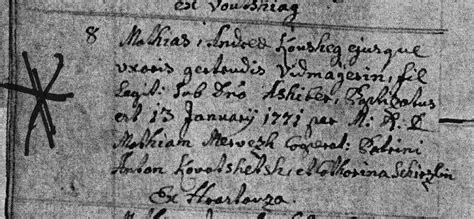
Read birth, marriage, and death records from Spain, France, Italy, and Latin America.
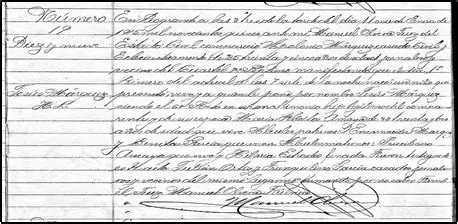
Understand formal Latin records used in church administration and historical legal systems.

Convert handwritten letters and mixed-language documents into readable digital text for genealogy research.
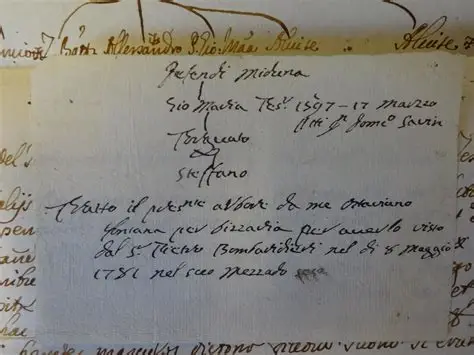
Convert historical records into readable text in three steps.
Upload scans or photos of church records, civil documents, or handwritten archives.
The system analyzes historical handwriting and mixed-language records to generate a transcription.
Check names, dates, and entries, then export results for genealogy or research use.
Standard OCR tools are designed for modern printed text. Historical records require understanding of handwriting, language variation, and archival structure.
This tool is designed for anyone working with historical genealogy and archival documents.
Trace family history across centuries of church and civil records written in Latin and local languages.
Transcribe archival documents for research on social, legal, and religious history.
Digitize and structure historical records for preservation and indexing.
Common questions about historical records transcription.
Upload church books, civil records, or archival documents and convert them into readable text instantly.