Non-standard letter shapes
Many letters in Kurrent and Sütterlin look completely different from modern Latin handwriting. Some characters can only be distinguished by context within the word.
German cursive handwriting such as Kurrent and Sütterlin is difficult to read even for native speakers today. Upload historical letters, church records, or family documents and convert them into readable digital text.
German handwritten documents from the 18th to mid-20th century often use scripts that are no longer taught today, including Kurrent and Sütterlin, with highly stylized letterforms and regional variations.
Many letters in Kurrent and Sütterlin look completely different from modern Latin handwriting. Some characters can only be distinguished by context within the word.
Old German documents often use compact spacing, long sentences, and abbreviations that make visual parsing difficult without experience in the script.
Ink fading, paper aging, and low-quality scans can make even familiar words hard to recognize, especially in handwritten family archives or church books.
From family letters to church books, German cursive appears across centuries of handwritten records used for genealogy and historical research.
Extract names, birth dates, marriages, and burial records from handwritten German church registers written in Kurrent or Sütterlin.
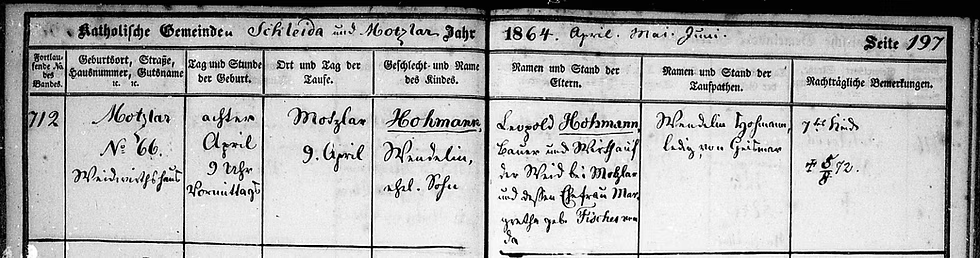
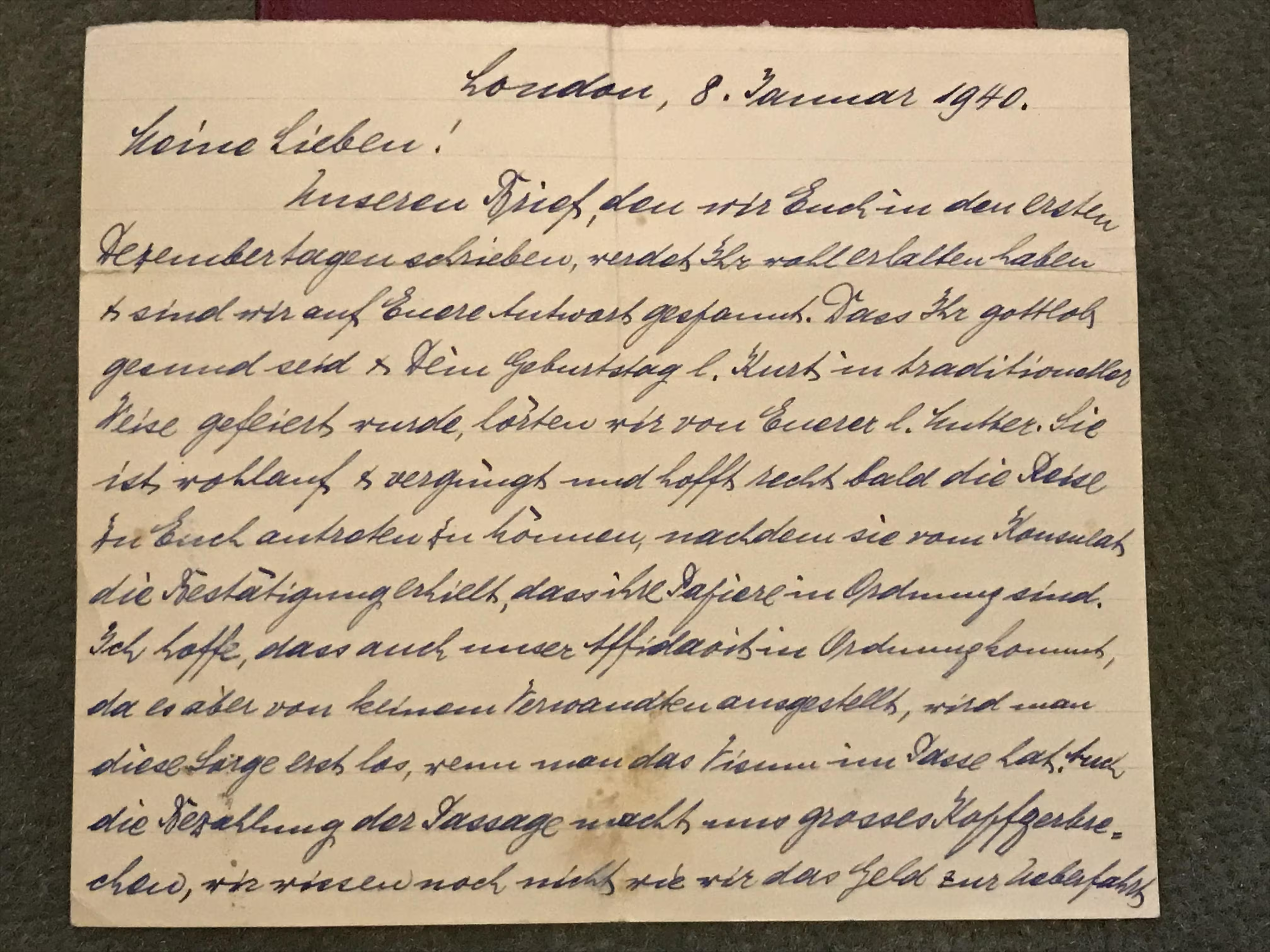
Read handwritten correspondence between family members, often written in cursive German with personal abbreviations and regional styles.
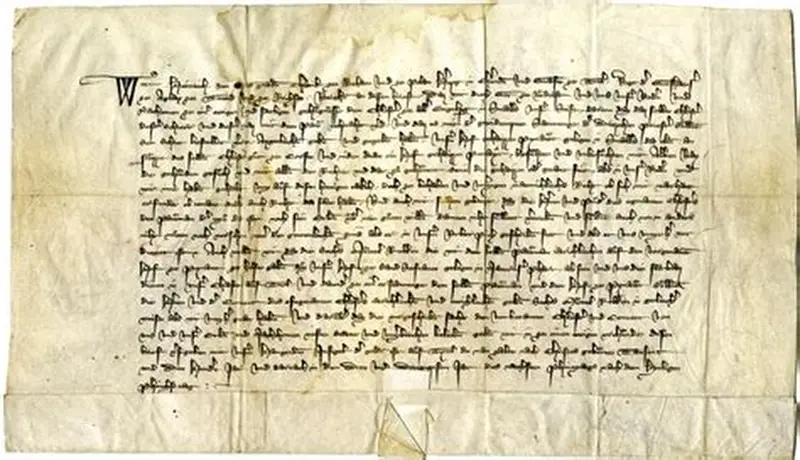
Understand deeds, contracts, and official records written in historical German handwriting used in administrative systems.
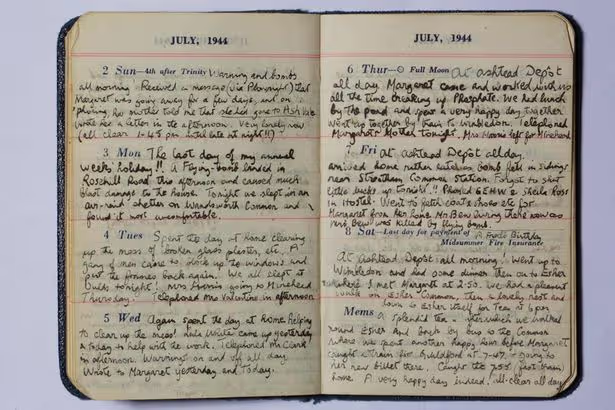
Convert handwritten journals, memoirs, and personal notes into readable text for preservation and research.
German cursive evolved across centuries. Knowing the difference between Kurrent and Sütterlin is the first step to reading your document.
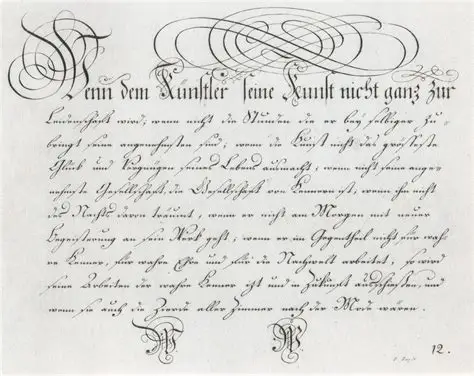
Used from the 18th century through the early 1900s. Sharp, angular strokes with heavy connections between letters. Written quickly and varied significantly between individuals, making it harder to decipher without practice.
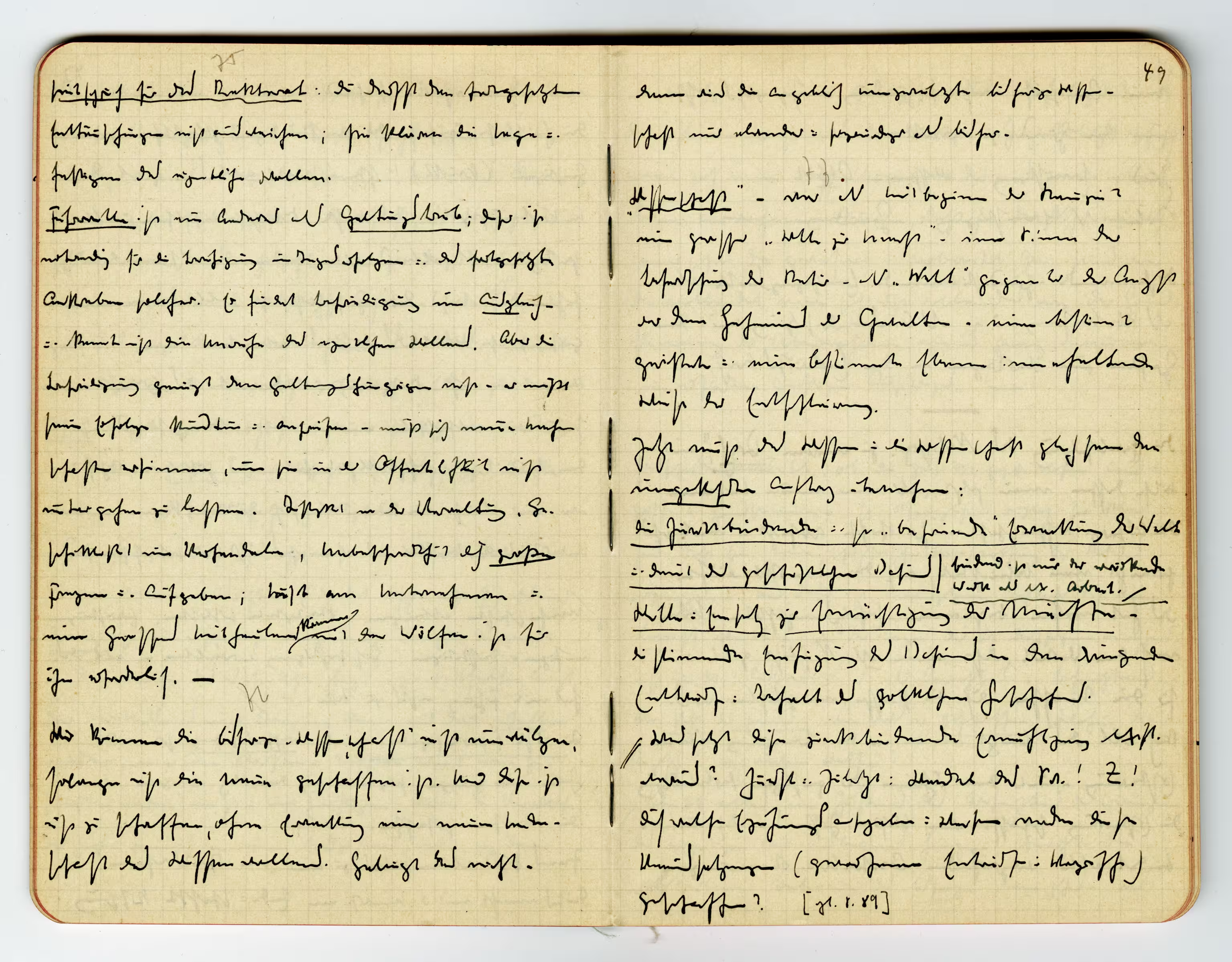
Introduced in 1911 as a school handwriting standard. Rounder, more uniform loops with a distinctive vertical structure. Because it was taught in classrooms, it is generally more consistent across writers than Kurrent.
Look at the baseline: Kurrent flows forward with angled connections, while Sütterlin returns to a central loop before each letter. Dates are the easiest clue — before 1911, expect Kurrent; between 1920 and 1945, expect Sütterlin.
Turn German cursive handwriting into readable text in three steps.
Upload a photo or scan of a German handwritten document such as a letter, church book page, or archive record.
The system analyzes Kurrent, Sütterlin, and related scripts to generate an initial transcription of the text.
Check the output, correct unclear words if needed, and export the final text for research or documentation.
Standard OCR is designed for printed modern fonts. German cursive handwriting requires models trained on historical scripts like Kurrent and Sütterlin.
This tool is designed for anyone working with historical German handwritten documents.
Trace family history through church books, civil records, and handwritten German archival documents.
Transcribe historical documents written in German cursive for academic study and publication.
Digitize and structure handwritten collections from German archives for long-term preservation.
Common questions about German cursive handwriting.
Upload a letter, church book, or archival record written in Kurrent or Sütterlin and turn it into readable text.