Unfamiliar letter shapes
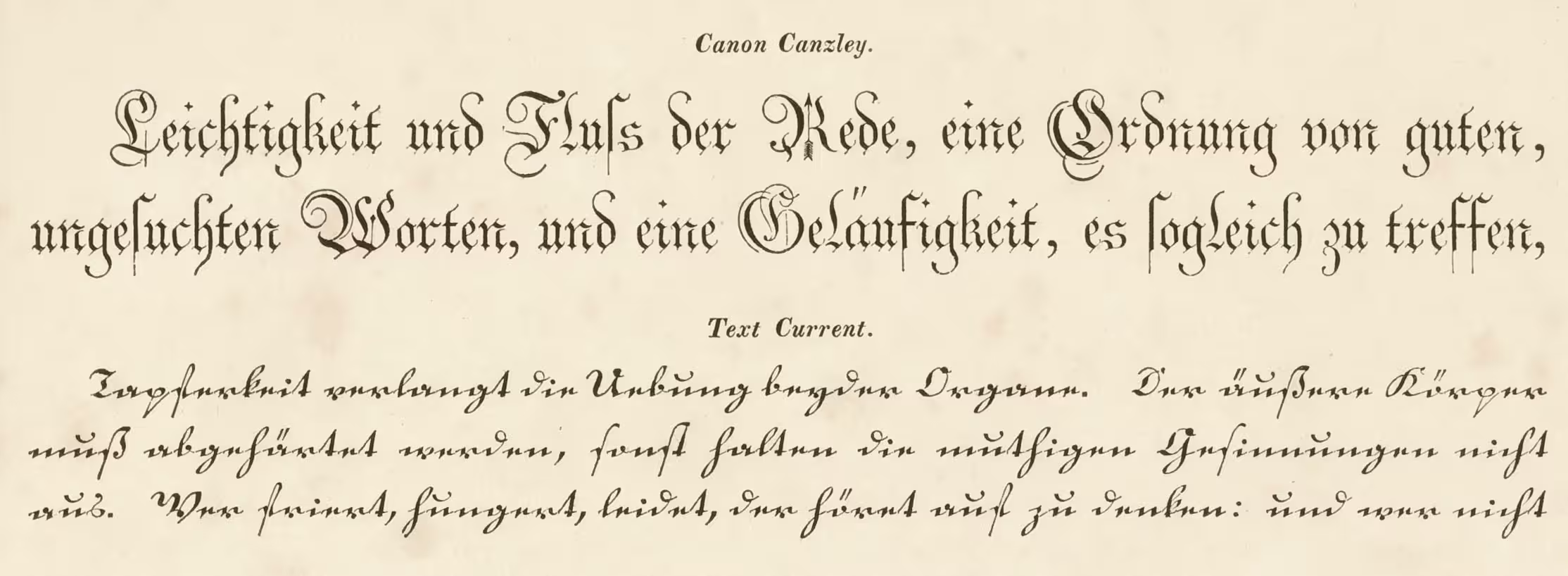
Many Kurrent letters look completely different from modern Latin script. Letters like e, n, r, and s often merge into similar-looking strokes.
Kurrent is a historical German handwriting style that is difficult to read today. Upload old letters, church records, or archival documents and turn Kurrent script into clear, readable text.
Kurrent was widely used in German-speaking regions for centuries, but its letterforms are very different from modern handwriting and are rarely taught today.
Many Kurrent letters look completely different from modern Latin script. Letters like e, n, r, and s often merge into similar-looking strokes.
Words are often written in continuous strokes with minimal spacing, making it difficult to separate individual letters visually.
Faded ink, paper damage, and scanning artifacts can make historical documents even harder to read.
Use this tool to decode handwritten German records from archives, family history, and historical sources.
Convert handwritten correspondence written in Kurrent script into readable text.
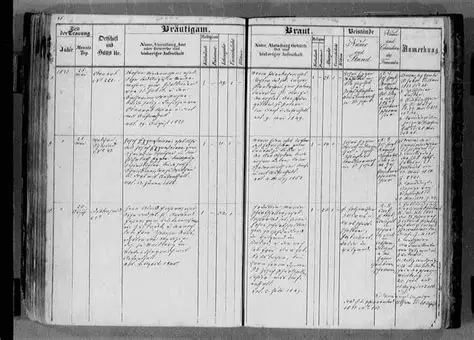
Extract names, dates, and family relationships from historical German church registers.
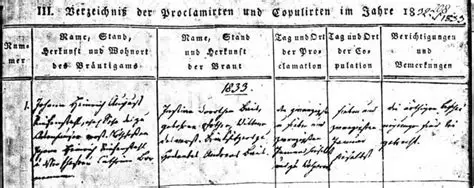
Read historical administrative and legal documents written in old German cursive handwriting.
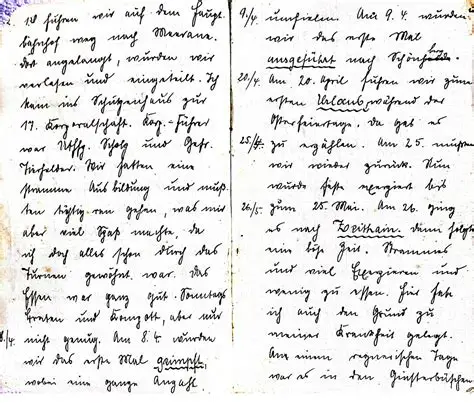
Turn handwritten diaries and personal notes into readable digital text for preservation and research.
Kurrent and Sütterlin are related German handwriting systems, but come from different periods and have distinct visual styles.
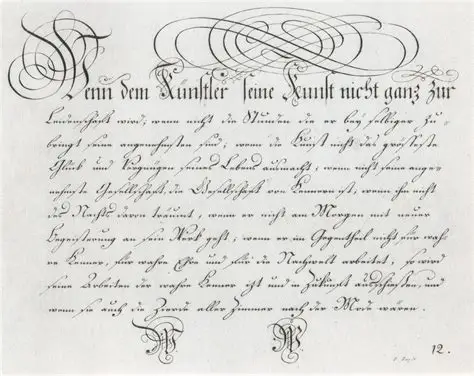
An older German cursive handwriting style used from the 18th century onward. It is highly angular and varies widely between writers, making it challenging to read.
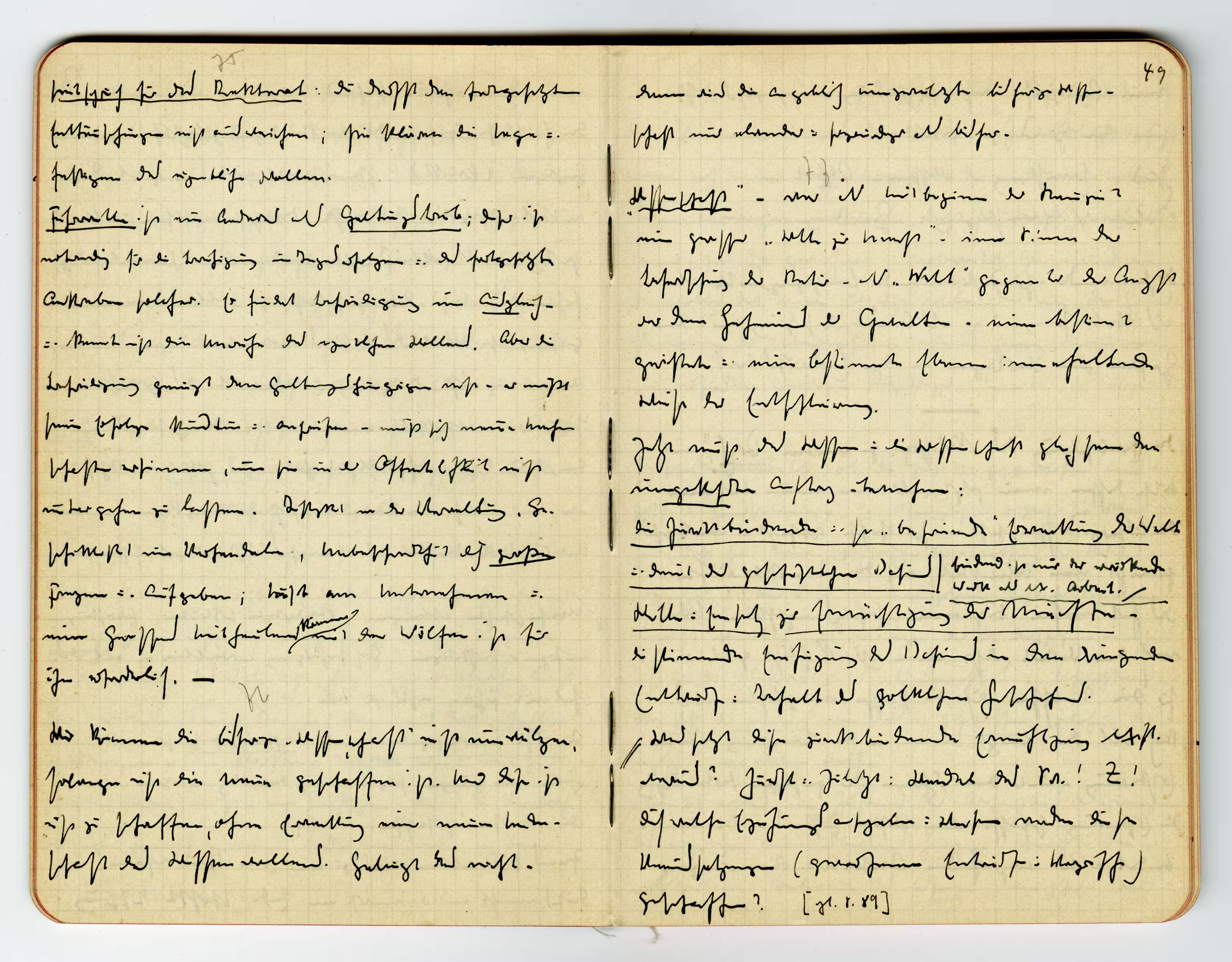
A standardized handwriting style taught in German schools in the early 20th century. It is more uniform and rounded compared to Kurrent.
Kurrent is older and more variable, while Sütterlin is standardized and easier to learn. Many historical documents may contain a mix depending on time period and writer.
Convert Kurrent handwriting into readable text in three steps.
Upload a photo or scan of a Kurrent handwritten document such as a letter, church book, or archive page.
The system analyzes historical German cursive writing and converts it into readable text.
Check the output, correct unclear words if needed, and export the final text for research or genealogy use.
Standard OCR is designed for printed text. Kurrent requires understanding historical German handwriting patterns.
This tool is designed for anyone working with historical German handwritten documents.
Trace family history through church books, civil records, and handwritten German archives.
Transcribe historical documents for academic research and publication.
Digitize and preserve handwritten German archival collections.
Common questions about Kurrent handwriting.
Upload a German historical document and convert Kurrent script into readable text instantly.