Faded ink and damaged paper
Thin strokes disappear into stains, folds, shadows, and yellowed paper, especially in phone photos of fragile originals.
Upload a photo of any old letter, diary entry, or handwritten record. Cursive Reader converts cursive and old-style handwriting into clear, readable text — no transcription skills needed.
The challenge is rarely just cursive. Age, image quality, and missing family context can all affect a transcription.
Thin strokes disappear into stains, folds, shadows, and yellowed paper, especially in phone photos of fragile originals.
A surname may look unfamiliar because of personal loops, abbreviations, spelling variants, or older handwriting conventions.
People, places, dates, and relationships can sound plausible while still being wrong, so important details must be checked against the page.
Cursive Reader handles old cursive, faded ink, and difficult handwriting so you can focus on the story, not the script.

Old letters and diaries use connected cursive scripts with irregular loops and faded ink. Cursive Reader is built for exactly this kind of handwriting.

No scanner required. A clear, well-lit photo taken with your phone is enough to get a readable transcription of most handwritten documents.

Once uploaded, the handwriting is processed automatically and you get a typed version you can read, copy, and search right away.

Download the result as TXT, Markdown, Word, or Excel — store it alongside the original, share it with family, or archive it for the future.
Different sources reveal different kinds of evidence. Convert each page into editable text while keeping the original image available for review.
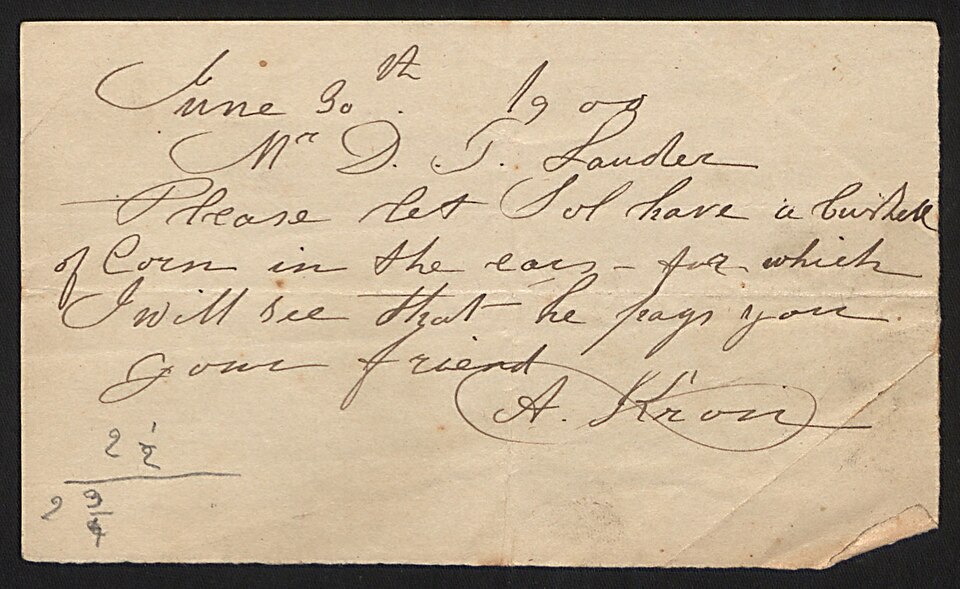
Turn personal correspondence into searchable text without losing the order and wording of the original page. Letters can reveal relationships, addresses, travel, work, and everyday events that may never appear in an official record.
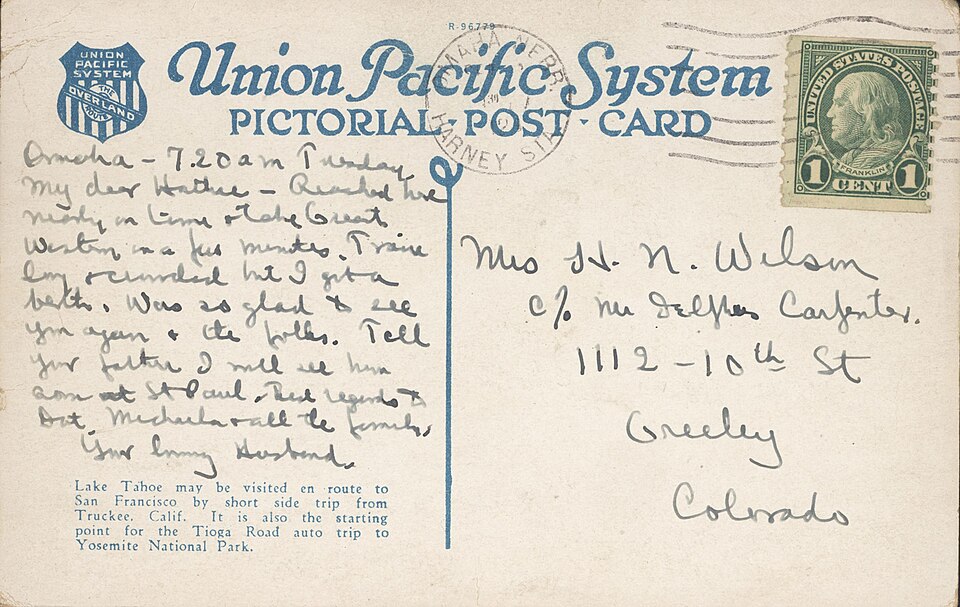
Transcribe the message, recipient, street address, place name, and visible date from postcards. Keeping the text beside the image makes it easier to connect a short note with the correct person and location.
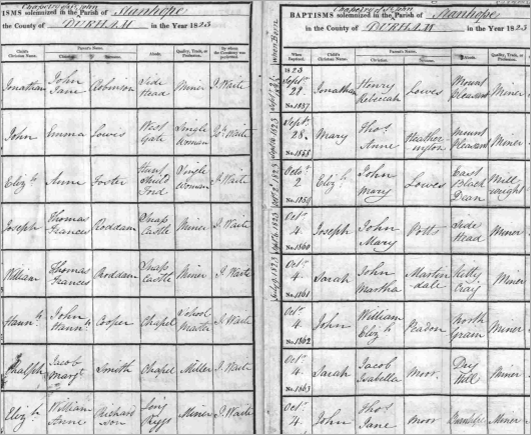
Convert handwritten register entries into text that is easier to compare across rows and pages. Review names, dates, parents, residences, occupations, and marginal notes against the original columns before recording a conclusion.
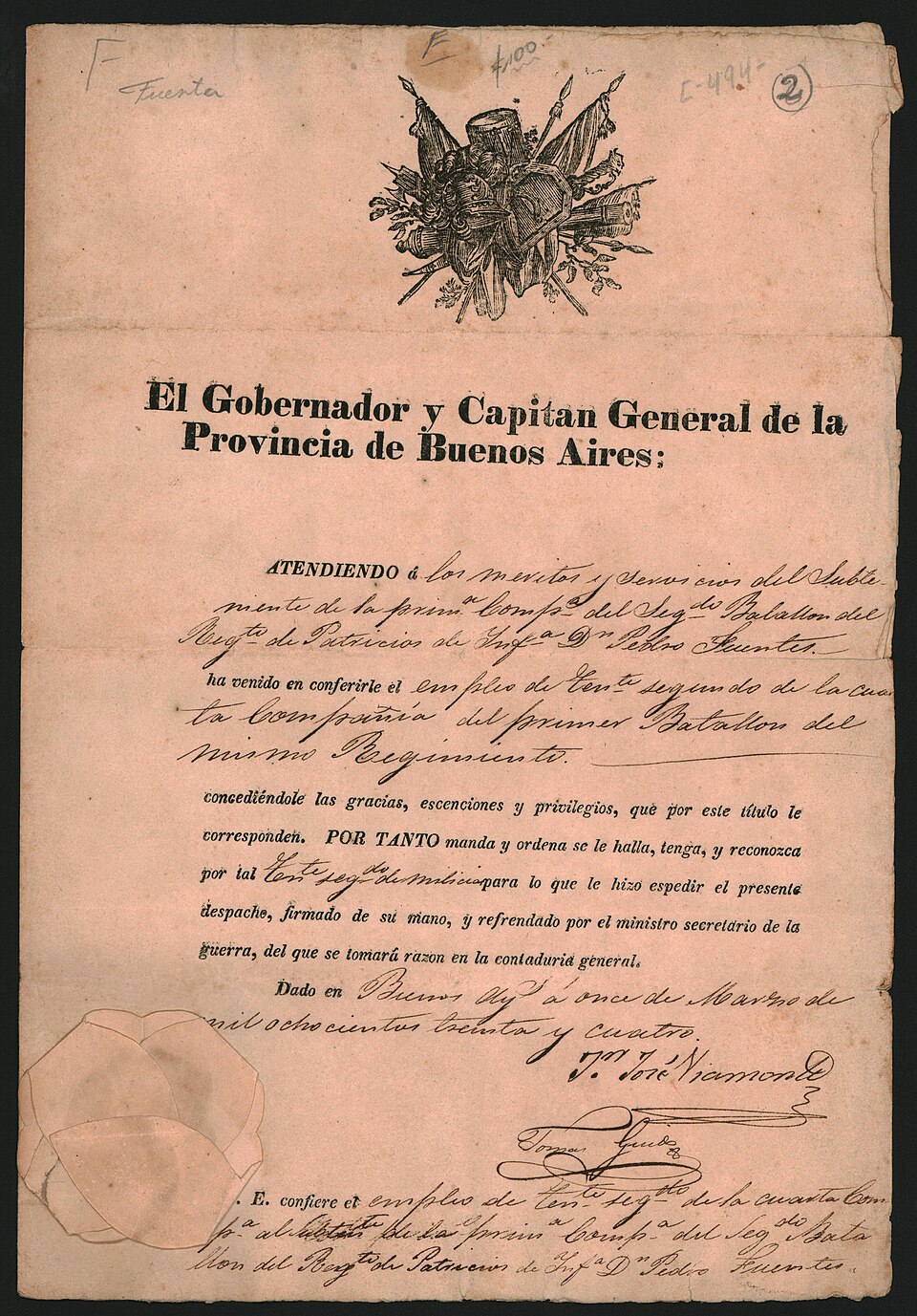
Extract handwritten names, offices, places, and dates from certificates or mixed printed-and-handwritten documents. The resulting text can support search and notes while the scan preserves seals, signatures, and layout.
Three steps to turn old handwriting into readable text.
Photograph the letter, diary page, or document with your phone, or upload an existing scan. JPG, PNG, HEIC, and PDF are all supported.
The AI reads the cursive script and generates a typed transcription. It handles old-style connected writing, loops, and varying ink quality.
Review the result, copy the text, or download it as Word or TXT. Keep a digital version alongside the original photos or scans.
A transcription draft makes an old page searchable and readable while the source remains available for checking names, dates, and uncertain words.
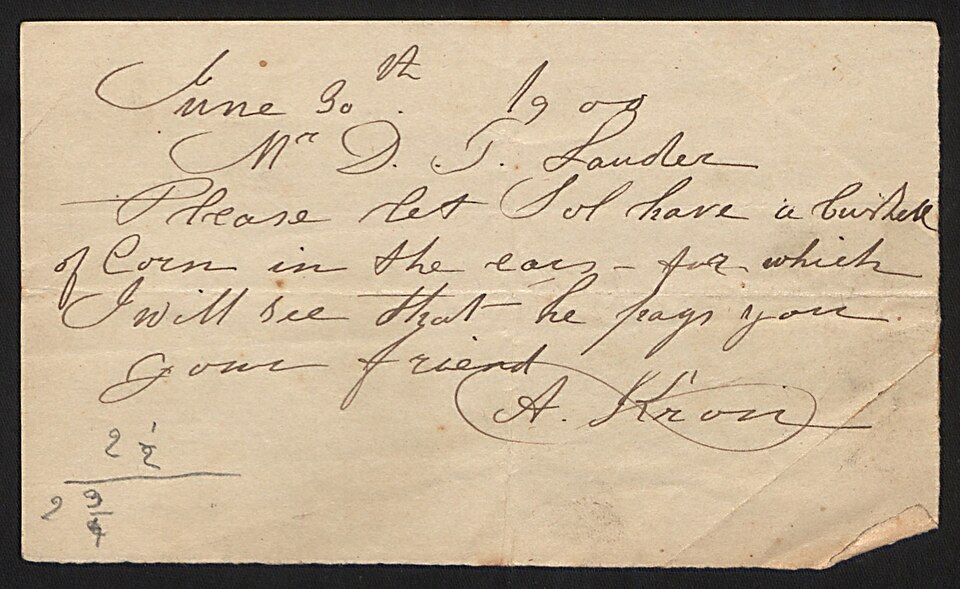
June 30th 1909
Mr D. T. Lauder
Please let Sol have a bushel of corn in the ear—for which I will see that he pays you.
Your friend,
A. Kron
2 1/2
2 3/4
Move beyond deciphering individual words and use the text to organize evidence, compare sources, and share discoveries.
Collect dates and event references from letters, diaries, and records, then place them in chronological order for further verification.
Find repeated names, nicknames, signatures, and phrases such as aunt, brother, or cousin that may connect people across documents.
Search addresses, towns, parishes, workplaces, and travel references to follow where a person lived or moved over time.
Compare surnames, place names, and initials across multiple transcriptions without repeatedly deciphering the same handwriting.
Store a readable transcript with the filename, page number, archive reference, and any uncertain readings that still need review.
Give relatives an accessible version of a handwritten source while keeping the scan attached so they can see the original evidence.
Cursive Reader can accelerate the first pass. Family-history conclusions still depend on checking evidence against the original document.
Common questions from people transcribing old handwritten documents.
Upload a photo of any old letter, diary, or handwritten record and get readable text in seconds.