Letters do not look modern
A long s can look like f. Some r, e, c, h, and p shapes can be easy to confuse. In older hands, a single word may look unreadable until you learn the writer's letter patterns.
Upload a scan or photo of an old English document and turn difficult handwriting into clear digital text. Built for wills, parish registers, deeds, letters, and other historical records written in early English cursive hands.
Many English records were written in scripts that look unfamiliar today. Secretary hand, court hand, mixed hands, and older cursive styles use letterforms, spelling habits, and abbreviations that can slow down even experienced researchers.
A long s can look like f. Some r, e, c, h, and p shapes can be easy to confuse. In older hands, a single word may look unreadable until you learn the writer's letter patterns.
Names, places, and common words may appear in several forms across the same document. The tool helps you extract the written text so you can review the meaning with context.
Faded ink, bleed-through, stains, folds, uneven scans, and cramped margins can make historical pages difficult for standard OCR and for modern readers.
Use the reader to work through family history records, archive material, legal documents, and handwritten manuscripts without starting from a blank page.
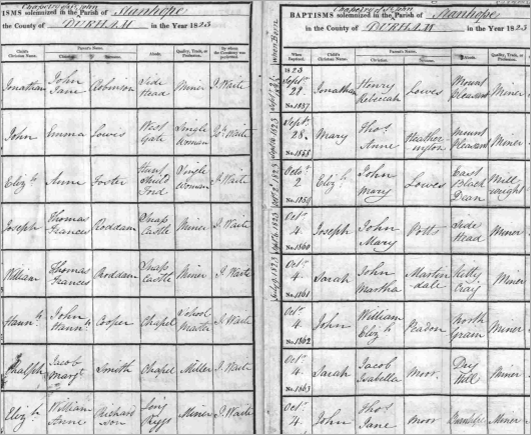
Extract names, dates, baptisms, marriages, burials, witnesses, and parish details from handwritten English church records.
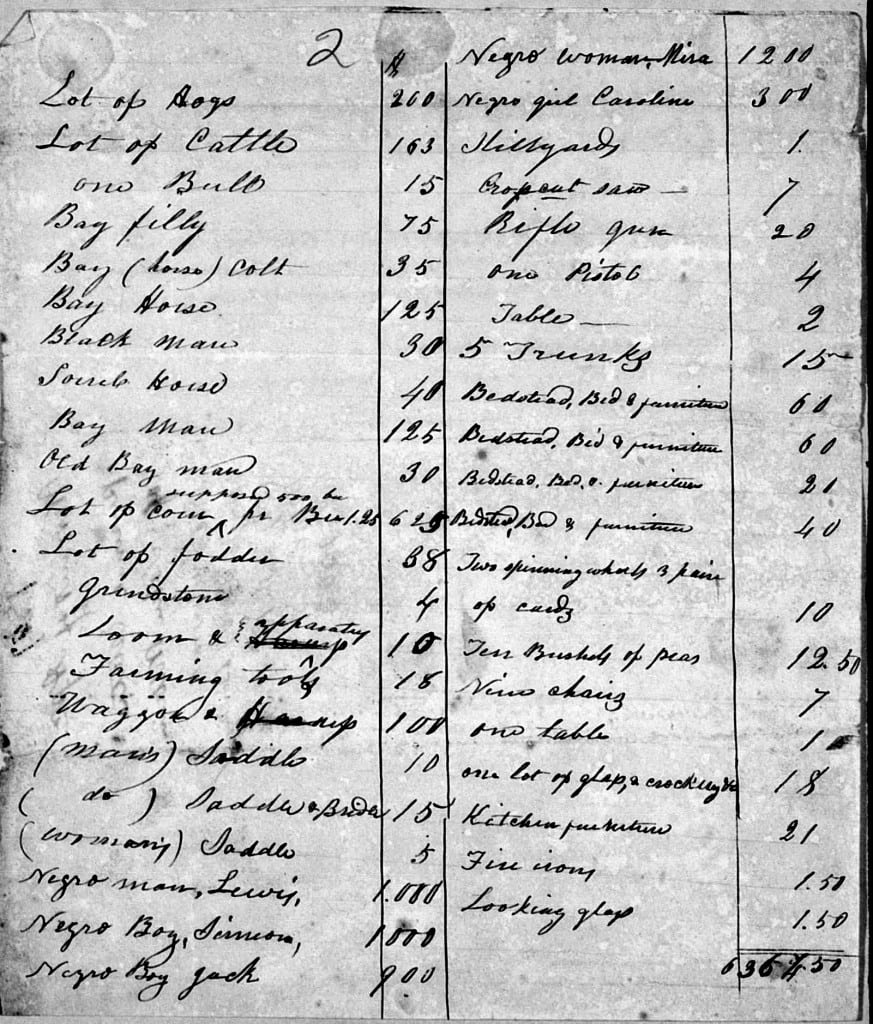
Read older legal language and dense handwriting in wills, estate papers, probate inventories, and family property records.
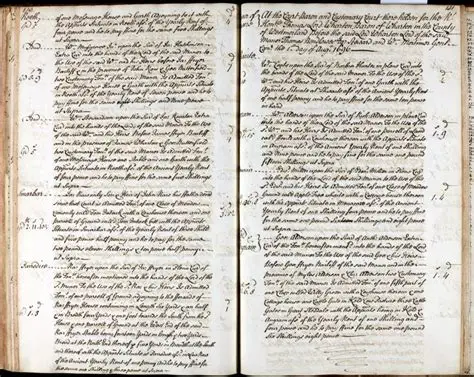
Work through formal records written in older English legal hands, where abbreviations and repeated formulas can make reading especially difficult.
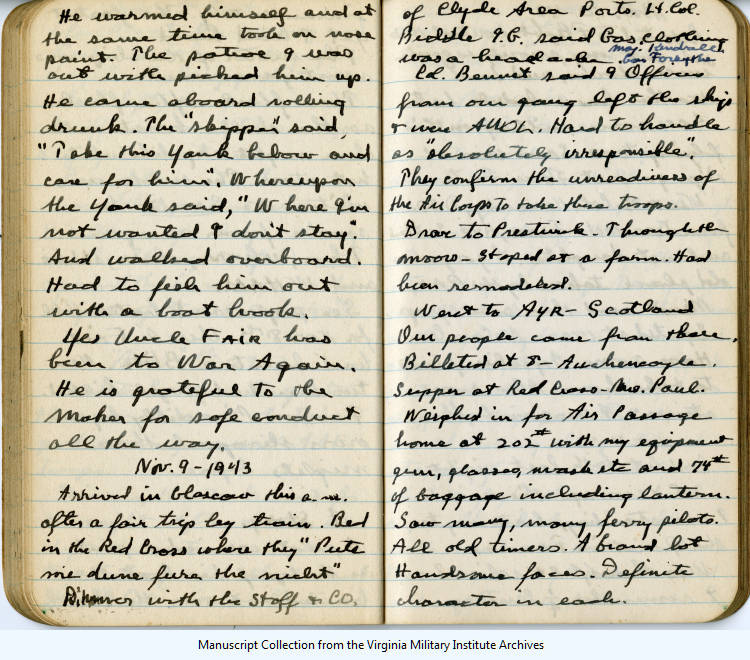
Convert private correspondence, family papers, journals, and manuscript pages into searchable text for research, preservation, and sharing.
Turn old English handwriting into readable text in three simple steps.
Add a photo or scan of a handwritten English document, such as a will, deed, parish register, letter, diary page, or archive record.
The tool analyzes the page image, identifies handwritten text, and produces a first-pass transcription for review.
Check names, dates, uncertain words, and line breaks. Then copy the text or download it for your research notes, family tree, or archive workflow.
Standard OCR is usually made for clean printed text. Historical handwriting needs a different approach: old letterforms, personal writing habits, uneven pages, and record-specific vocabulary all matter.
This tool is made for anyone who needs to understand old English records but does not want to spend hours manually deciphering every line.
Find names, dates, relationships, occupations, and places in parish registers, wills, probate records, and family papers.
Create readable transcriptions from manuscript sources, legal records, letters, and early modern English documents.
Prepare searchable text from handwritten collections so records can be cataloged, reviewed, and made easier to access.
Common questions about reading old English handwriting.
Upload a will, parish register, deed, letter, or manuscript page and get a readable transcription you can review, correct, and save.