5 min read
How to Read Sütterlin Handwriting
Read Sütterlin handwriting with an alphabet reference, repeated-word comparisons, and a three-step transcription review workflow.
On this page
Read Sütterlin handwriting by comparing a known word with repeated letterforms on the same page. A reference alphabet helps you recognize possibilities; the writer's handwriting decides which reading fits. Start with a clear scan, identify a few reliable words, then review an OCR draft against the visible strokes.
Use a Sütterlin handwriting reference
Sütterlin is a German school handwriting model. Everyday Sütterlin varies with the writer, writing speed, and pen. Keep uppercase and lowercase examples available rather than matching every mark to a single ideal letter. A heading or signature may also use different handwriting from the body of the document.
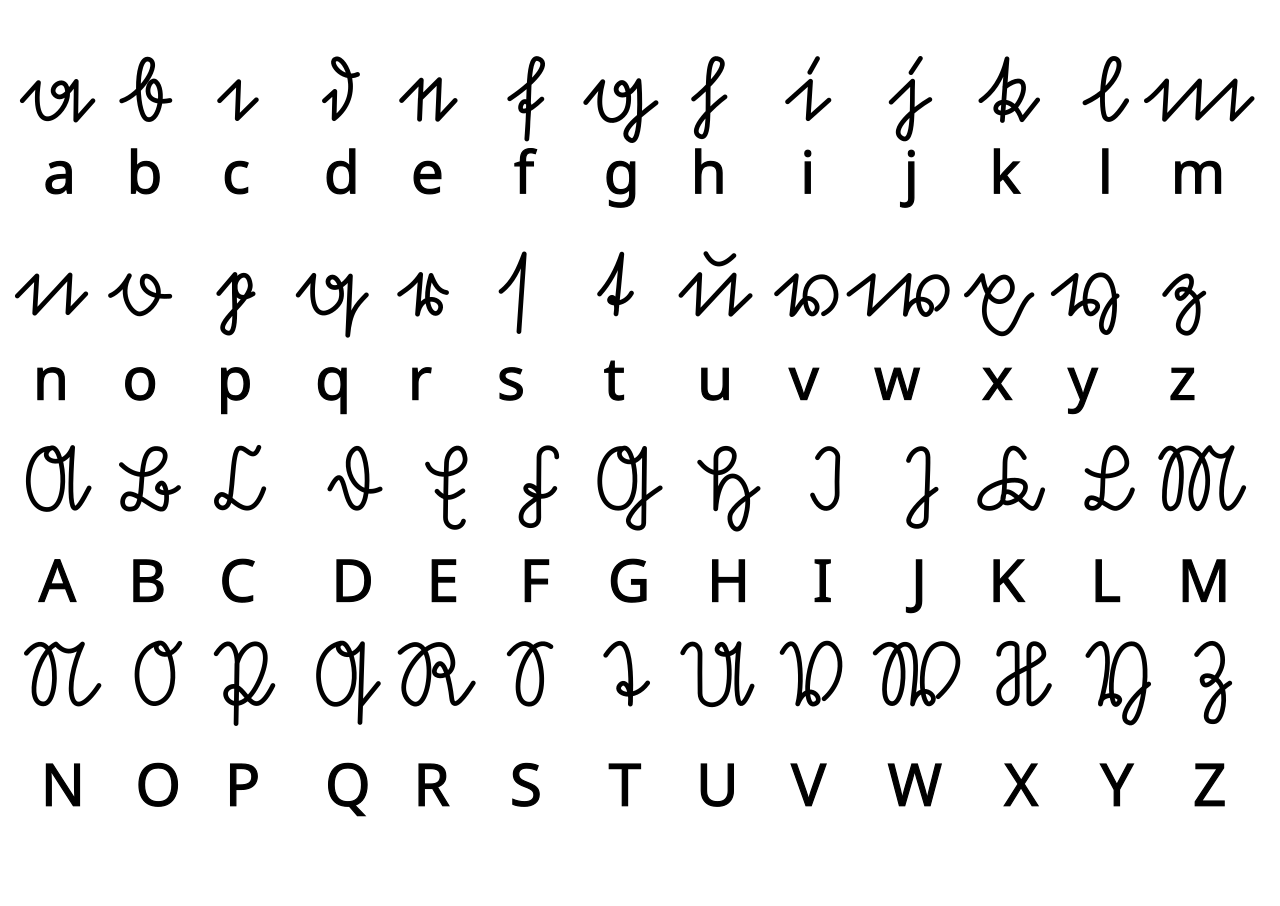
First confirm that a Sütterlin reference suits your page. Older German handwriting may follow Kurrent conventions instead. The Kurrent vs Sütterlin comparison explains identification; this guide focuses on reading words once Sütterlin is a reasonable working assumption.
Compare handwriting in whole words
Find a short word supported by the document, such as a recurring heading or a name confirmed elsewhere. Compare its beginning, middle, and ending. In connected Sütterlin handwriting, an isolated crop can hide where a letter joins the next one. Keep the complete word visible while checking the shape against your Sütterlin alphabet.
| Reading problem | Check in the handwriting | Keep unresolved |
|---|---|---|
| Several short connected strokes | Compare the whole group in another Sütterlin word | Do not choose a letter from stroke count alone |
| A possible mark above a letter | Look for the same mark in clearer handwriting | Do not treat a paper blemish as a pen stroke |
| An unfamiliar capital | Compare confirmed names in the same Sütterlin hand | Do not force it to match the expected surname |
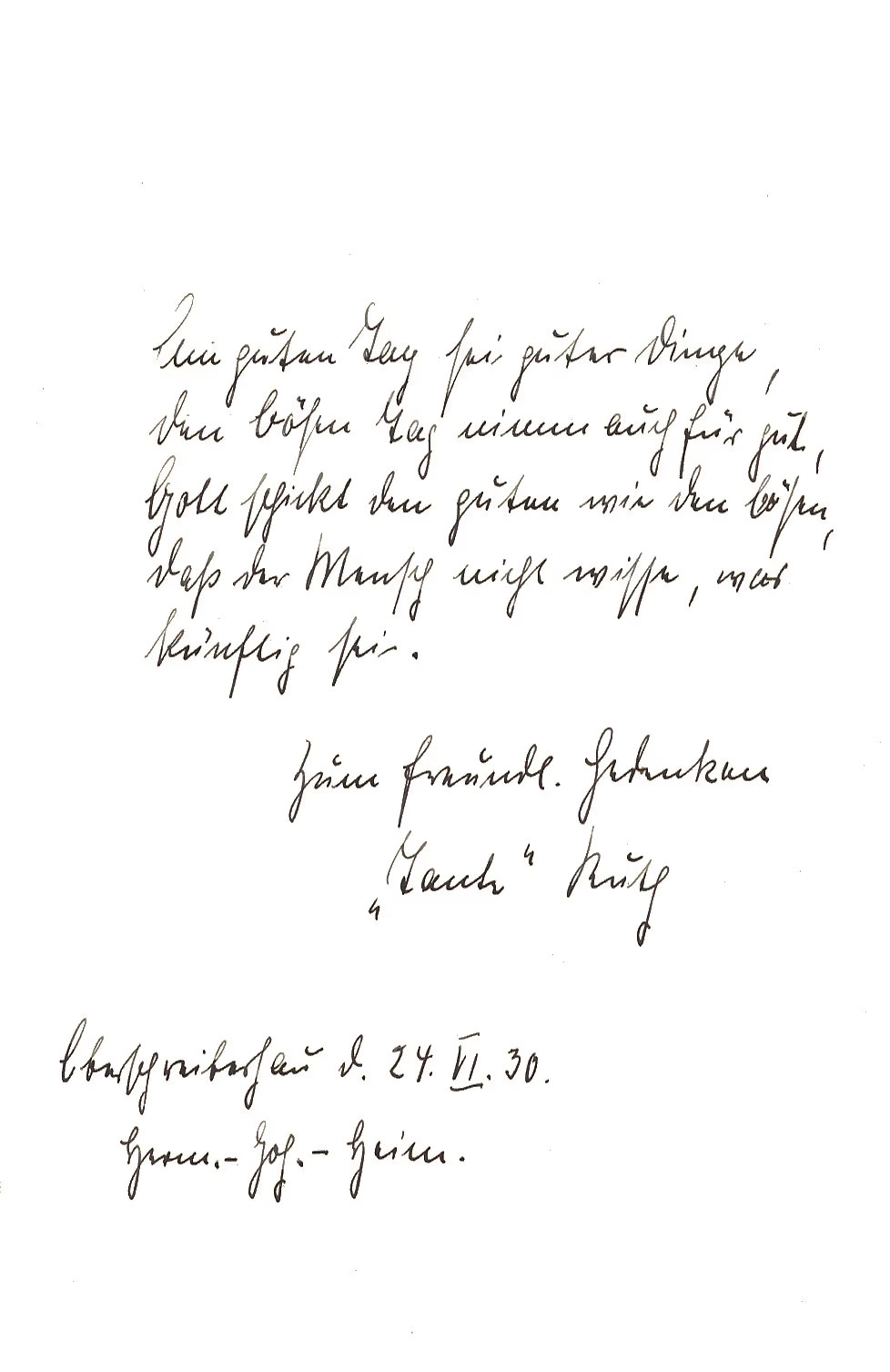

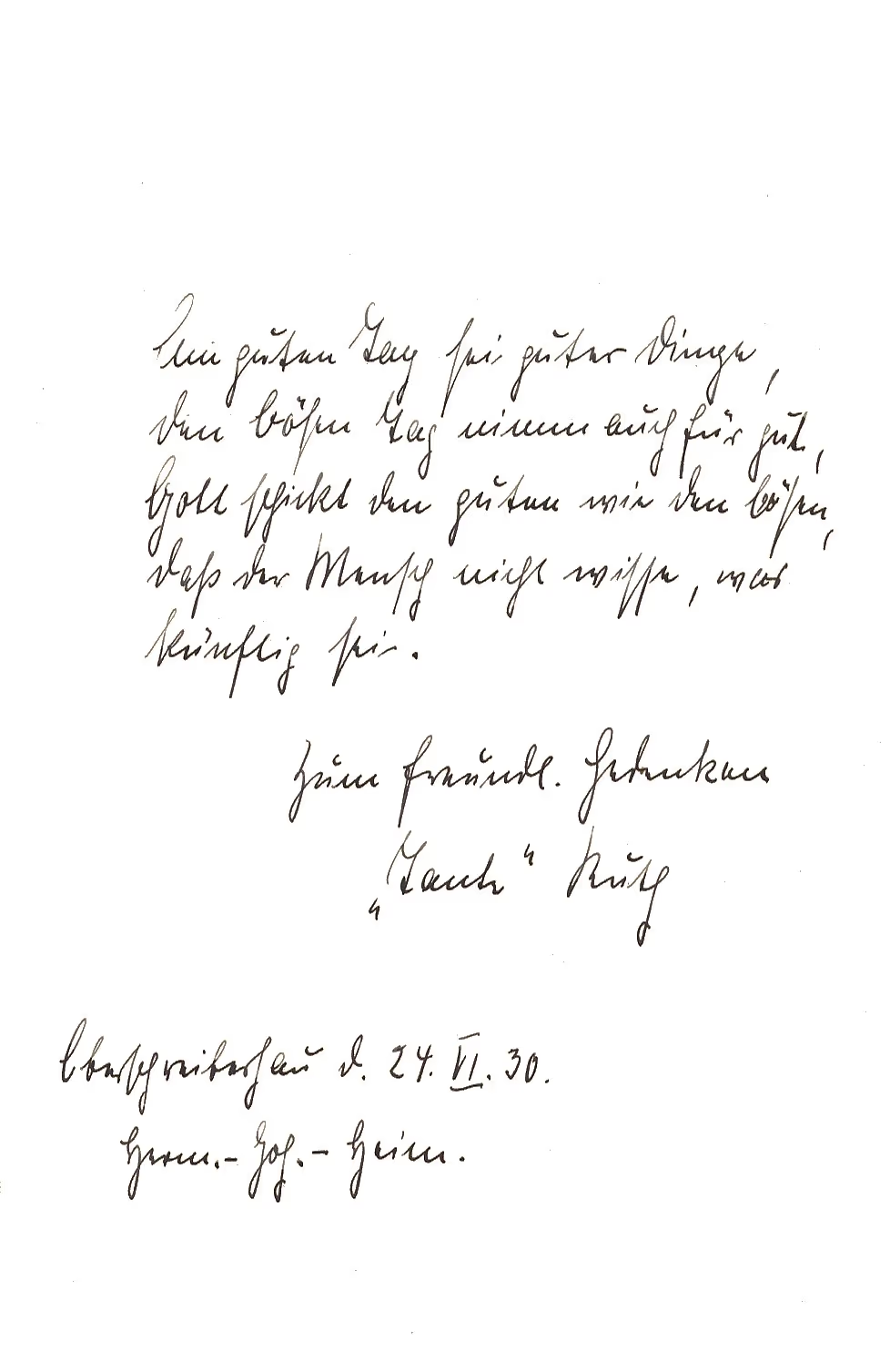
How to read Sütterlin handwriting step by step
Use the Sütterlin reader to create a draft. Keep the handwriting image in view throughout the review; a fluent sentence can still conceal a misread name.
1. Upload the Sütterlin page
Select browse files or drag in a clear image or PDF. Include complete handwriting lines and enough margin to see additions. Avoid aggressive filters that erase fine Sütterlin strokes. Check the preview before continuing, and upload a PDF by itself rather than combining it with separate images.

2. Convert and compare the handwriting
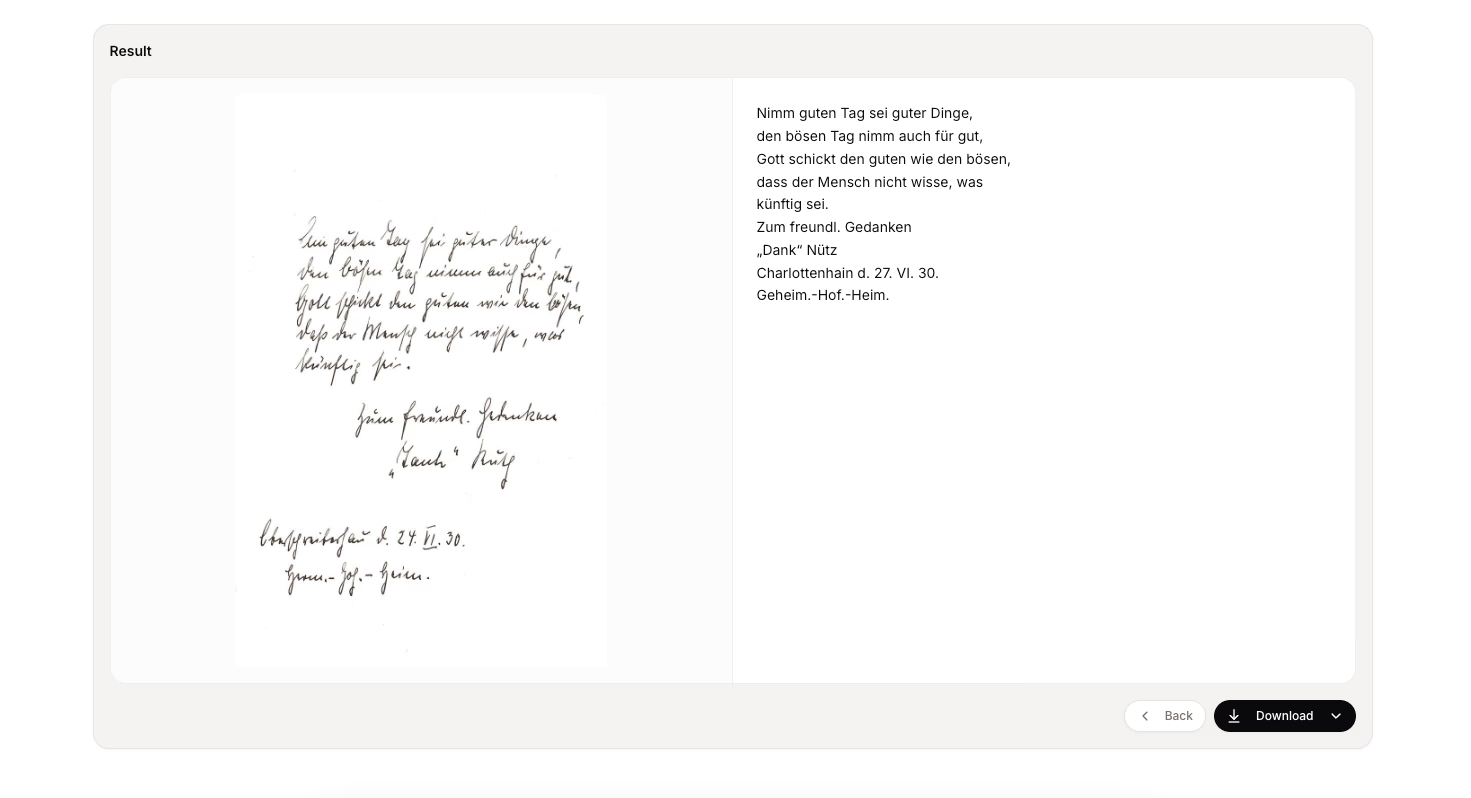
Select Convert when uploading finishes. Wait for the draft beside the original Sütterlin handwriting. Begin with a clear line and check each word against the page. When a result looks wrong, compare the relevant letterforms with your confirmed examples before changing the text.
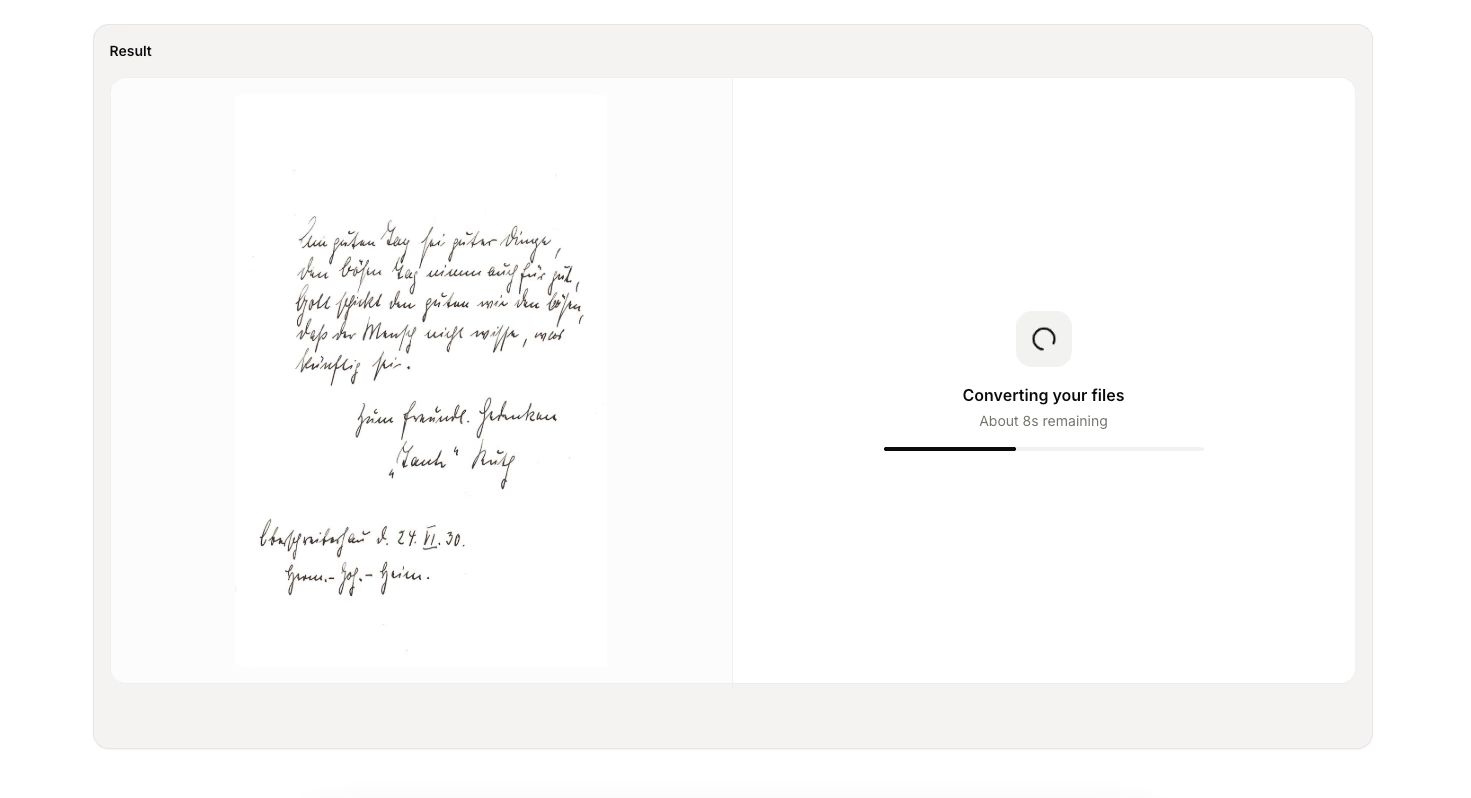
3. Review Sütterlin names and export
Revisit names, places, dates, and uncertain handwriting. Keep German spelling in the source transcript and mark unresolved letters with brackets. Use Download for TXT, Word, or Markdown after review. Preserve the Sütterlin image with the checked text so a second reader can inspect the same handwriting.
Keep evidence for difficult Sütterlin words
Suppose a surname has two plausible readings. Save its handwriting crop, note the letters you can defend, and compare other occurrences in the same Sütterlin document. A family tree may suggest a name, but it cannot supply a stroke missing from the source. Leave the uncertainty visible until the handwriting supports one reading.
Read first, translate second
Compare your handwriting with a draft
Upload a Sütterlin image, check uncertain words, and keep a reviewed transcription with the source.
Frequently asked questions
- Can I read Sütterlin handwriting using an alphabet chart alone?
A chart gives model forms. Actual Sütterlin handwriting can differ, so compare words and repeated letters from the same writer before deciding on a reading.
- What if the handwriting mixes Sütterlin and other styles?
Keep separate notes for each hand or passage. Do not apply a Sütterlin match from the signature to different handwriting in the main text.
- Does Sütterlin recognition also translate the German text?
Transcription and translation are separate tasks. Review the Sütterlin handwriting in German before translating its meaning; check names against the image in either version.