5 min read
Kurrent vs Sütterlin: How to Identify Old German Handwriting
Compare Kurrent vs Sütterlin with letter examples, document clues, and a practical checklist for reading old German handwriting.
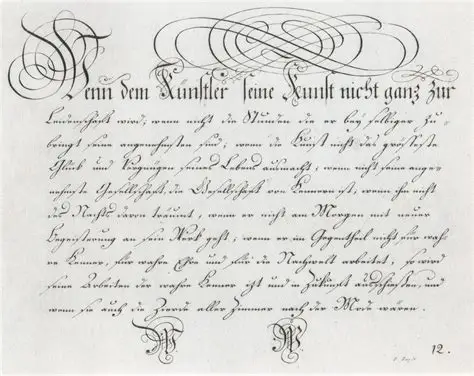
On this page
Kurrent vs Sütterlin is a useful starting question when an old German letter looks unfamiliar. The distinction helps you choose a handwriting reference. A reliable reading also depends on the writer, the language, and the words visible elsewhere on the page.
Kurrent vs Sütterlin: the main difference
Kurrent is an older German cursive tradition with varied personal handwriting. Sütterlin is a later school handwriting model associated with Ludwig Sütterlin. The Baden-Württemberg State Archives describes its introduction in Prussian schools from 1917. That teaching history gives you context; it does not mean every document written afterward follows the model.
| Clue | Kurrent | Sütterlin |
|---|---|---|
| Overall appearance | Kurrent is often sloping, angular, and variable | Sütterlin model forms are more upright and rounded |
| Useful reference | Kurrent charts and samples from a similar period | A Sütterlin teaching alphabet, then the writer's own forms |
| What remains uncertain | Personal Kurrent habits can depart from a chart | Everyday Sütterlin can depart from school models |
Do not confuse either handwriting style with Fraktur, a printed blackletter type style. A record can combine a printed heading with handwriting. Identify those parts separately before choosing a reference.
Compare Kurrent vs Sütterlin letter examples
These Kurrent and Sütterlin reference images show model letterforms. Study the beginning stroke, letter height, and ending. Everyday handwriting can depart from the model; stroke thickness alone does not identify a script.
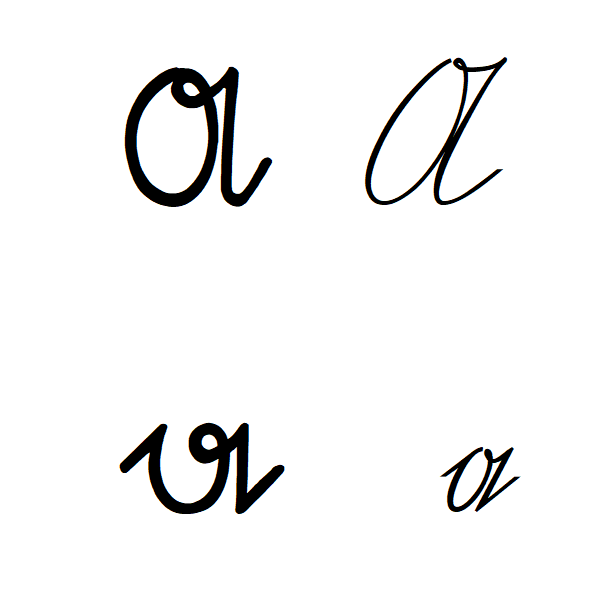

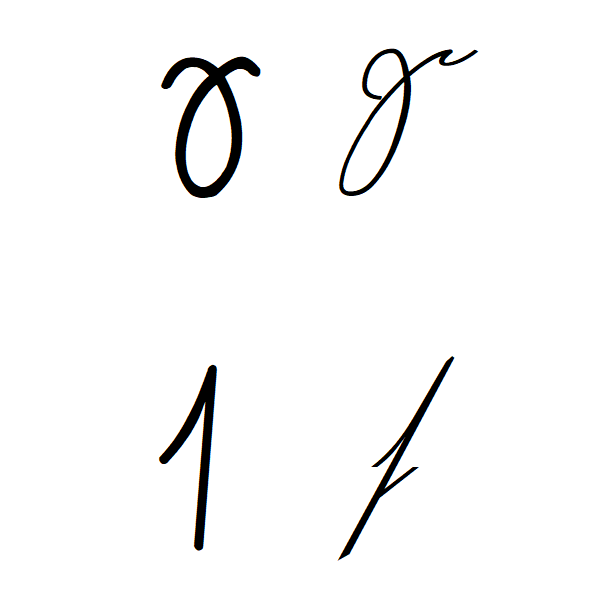

For a practical Kurrent vs Sütterlin comparison, choose several letters that recur on your page. Capitals can help with names, while repeated lowercase groups show how the writer joins strokes. Avoid forcing a doubtful word to fit a handwriting chart because its first letter looks close.
A checklist for identifying a whole page
- Record the date, place, document type, and archive reference of your Kurrent or Sütterlin page before cropping the image.
- Separate printed headings, signatures, marginal additions, and the main handwriting.
- Find a word you can independently verify, then compare its letterforms with repeated words elsewhere.
- Check whether several characteristic shapes agree with the same handwriting reference.
- Write down your tentative identification and the letters that support it.
Keep your Kurrent vs Sütterlin identification tentative when handwriting changes within a record. A clerk may have completed the form while someone else signed it. Compare the handwriting in each entry separately.
Read Kurrent handwriting beyond the alphabet
After the initial Kurrent vs Sütterlin check, make a small working list of confirmed names, endings, and common words from that page. Keep historical spellings in the transcription. Put modern place-name identifications or expanded abbreviations in separate notes so another reader can distinguish the handwriting from your interpretation.
Transcription and translation
Choose a reading workflow
Once your Kurrent vs Sütterlin comparison points toward a likely style, use the Kurrent reader or the Sütterlin reader to create a draft. For mixed records, begin with the German cursive reader. Keep the complete page available while checking uncertain handwriting.
Compare a draft with the original record
Upload a clear image or PDF, then review names, dates, and uncertain words beside the source.
Frequently asked questions
- What is the main difference in Kurrent vs Sütterlin?
Kurrent is an older German handwriting tradition with considerable variation between writers. Sütterlin is a later teaching model with more upright, rounded forms. Compare several letters and the document's context before identifying the handwriting.
- Does the document date settle Kurrent vs Sütterlin?
No. A writer can keep the handwriting learned at school for decades. A later document may contain older handwriting, several writers, or a mixture of German and Latin script. Use the date as context, then check the letterforms.
- Can a reader tool help with Kurrent vs Sütterlin?
A reader can supply a draft to compare with the source. Check uncertain names against the handwriting and repeated letters elsewhere on the page. A fluent result alone does not confirm either the reading or the script.