5 min read
How to Read German Church Records
Read German church records by identifying the entry, checking names and dates, and reviewing a transcription beside the original parish register.
On this page
German church records can connect a name with parents, a place, and a dated event. Start by identifying the church register and the kind of entry, then read the handwriting within that structure. German language, Latin wording, and historical letterforms can appear together; a familiar surname alone does not establish a family relationship.
Identify the German church register
Before reading individual records, note the parish, denomination, register dates, page number, and archive reference. German church records may describe baptism, marriage, death, or burial. Keep these events distinct: a baptism date is not automatically a birth date. Check the German headings and nearby records to understand what each date means.
| Church entry | Information to locate | Common confusion |
|---|---|---|
| Baptism records | Child, parents, birth and baptism dates, sponsors | Treating a sponsor as a parent |
| Marriage records | Couple, residences, parents, witnesses | Missing an earlier surname or marital status |
| Burial records | Deceased person, age, death and burial dates | Copying the burial date as the death date |
How to read German church records step by step
Use the German cursive reader for a draft, then verify the church entry field by field. For Latin passages, the Latin records workflow can help separate transcription from later interpretation.
1. Upload the complete church entry
Add a clear image or PDF of the German page using browse files. Include the entry number and enough neighboring church records to compare the writer's letters. Keep a separate full-page copy if you upload a crop. Upload a PDF alone, without mixing image files.

2. Convert and follow the register structure
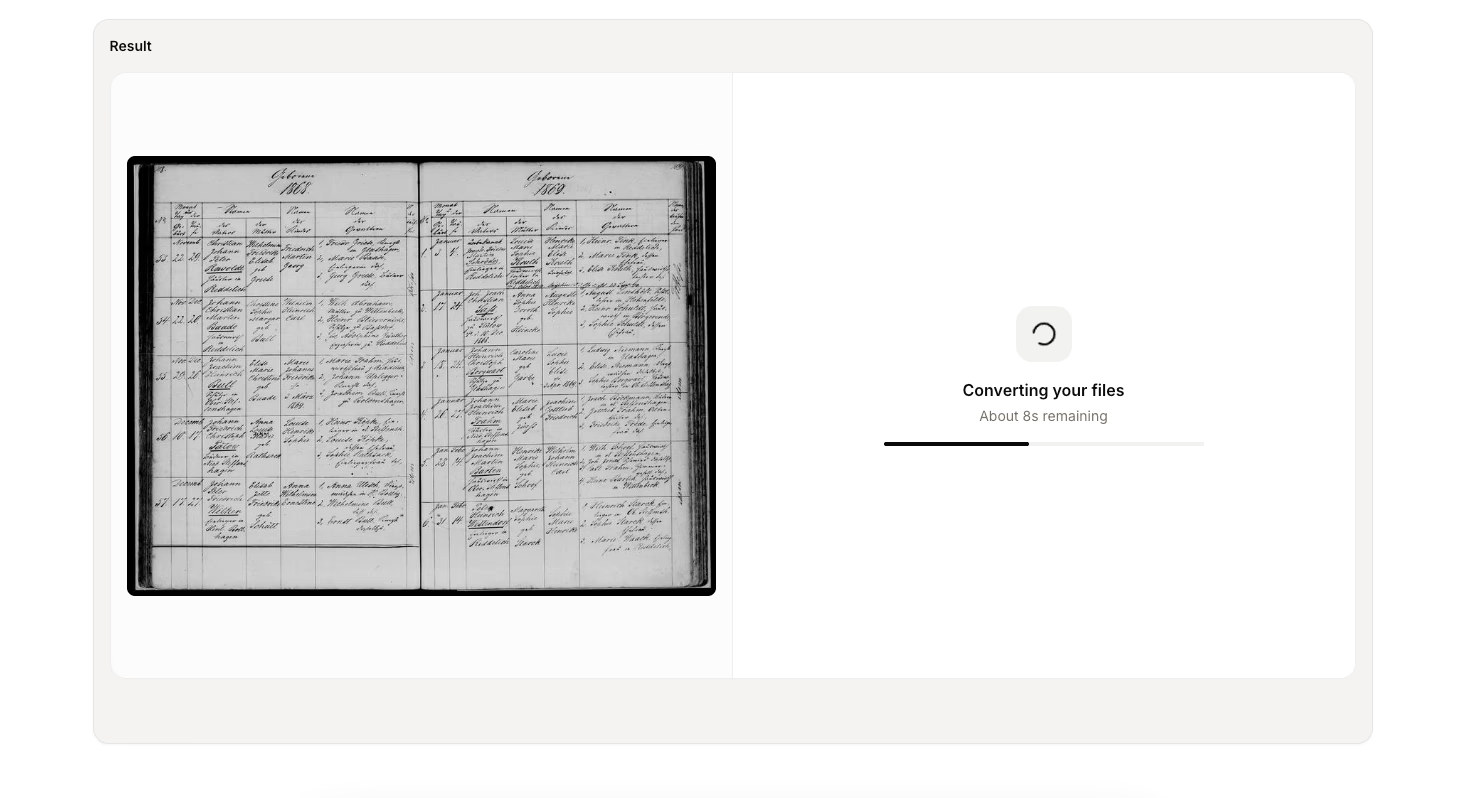
Select Convert and wait for the German draft beside the image. Read one numbered church entry at a time. In tabular records, check that names and dates stay in their original columns. In narrative records, trace the sentence through its line breaks before separating fields.
3. Verify names, dates, and roles
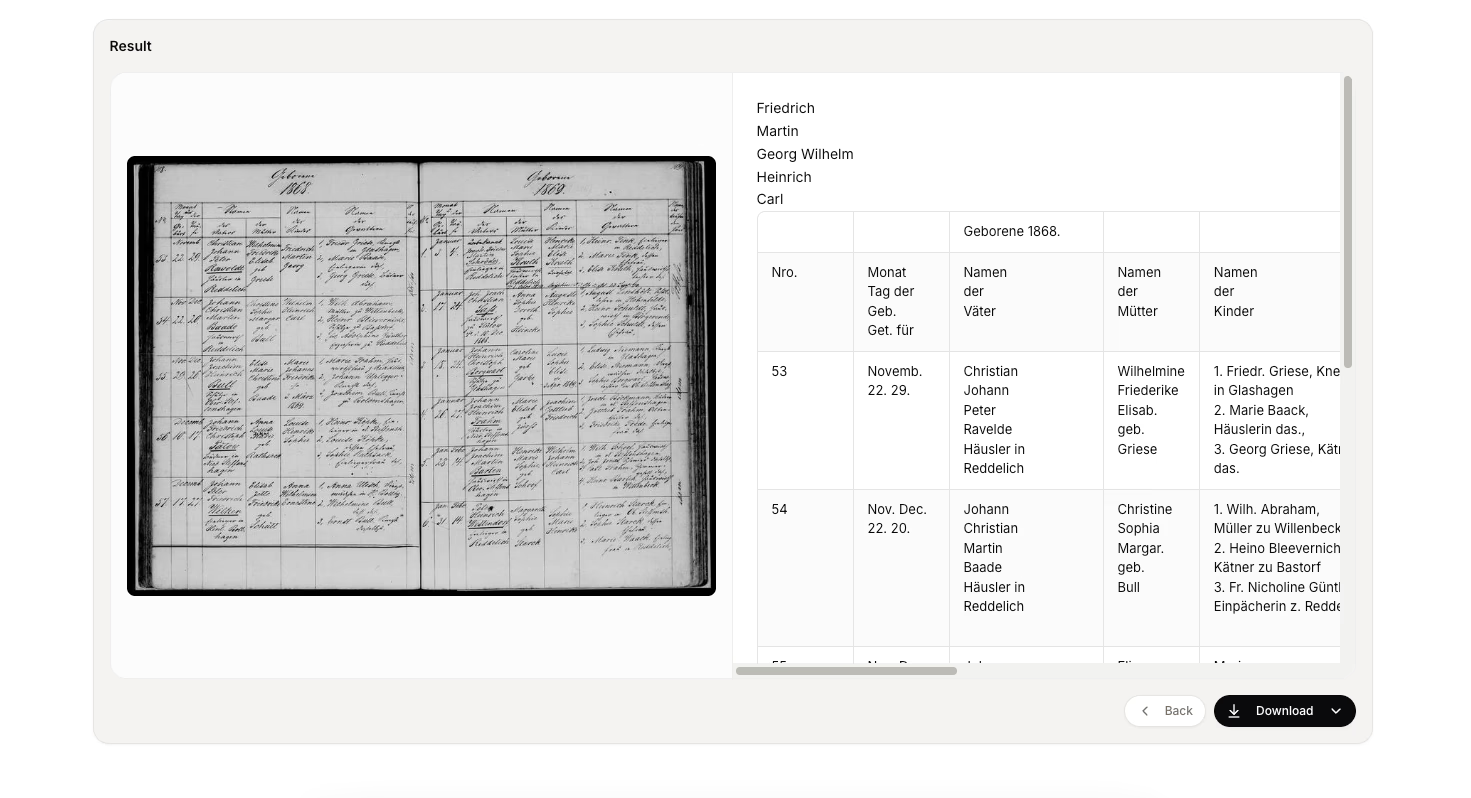
Compare the German text with the source, especially family names and relationship words. Check whether a person is a parent, witness, or sponsor. Download the checked text and keep the church reference with it. Use surrounding records as letterform evidence, not as permission to fill an unreadable name with the person you hope to find.
Work through one German entry
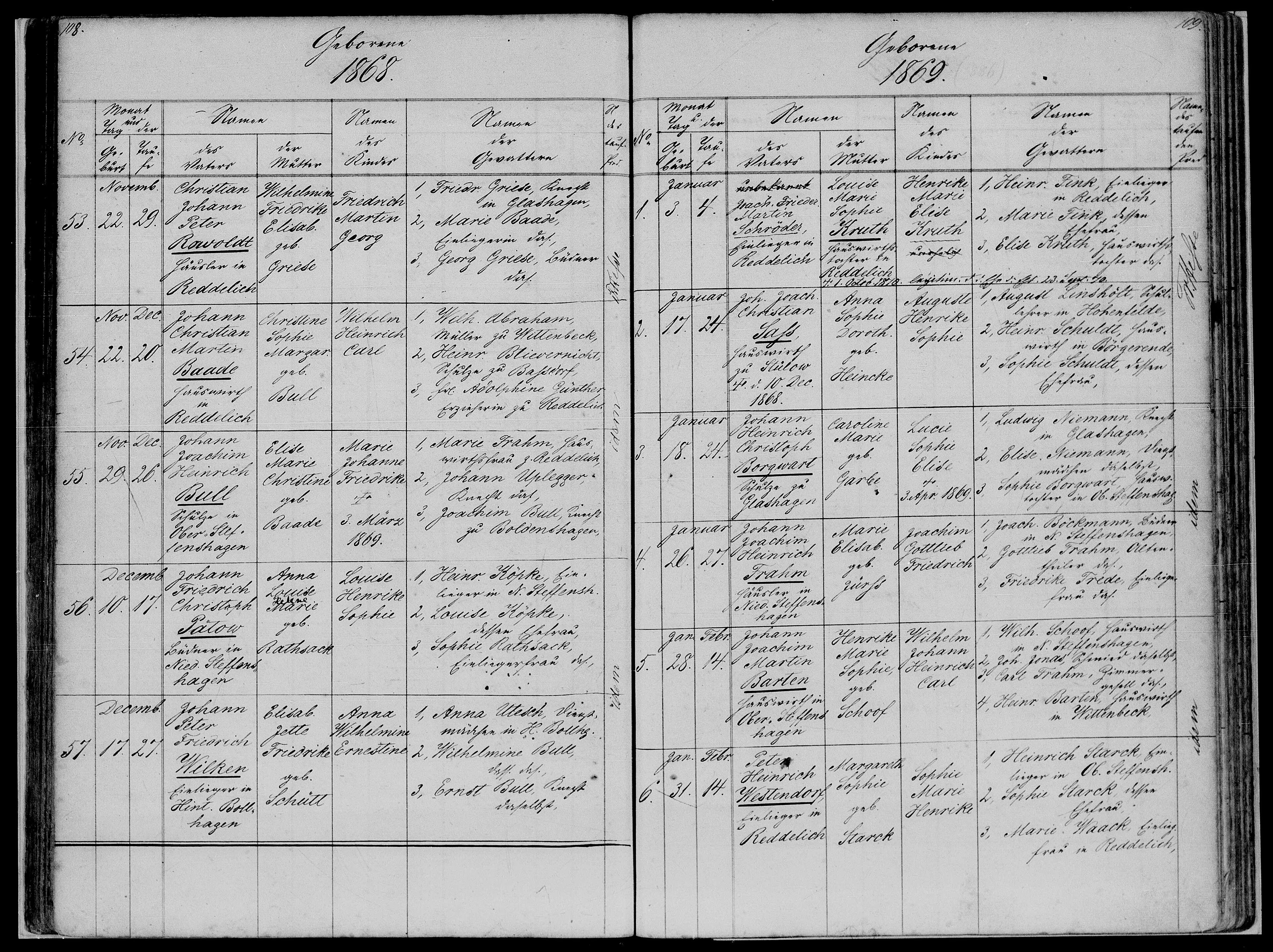
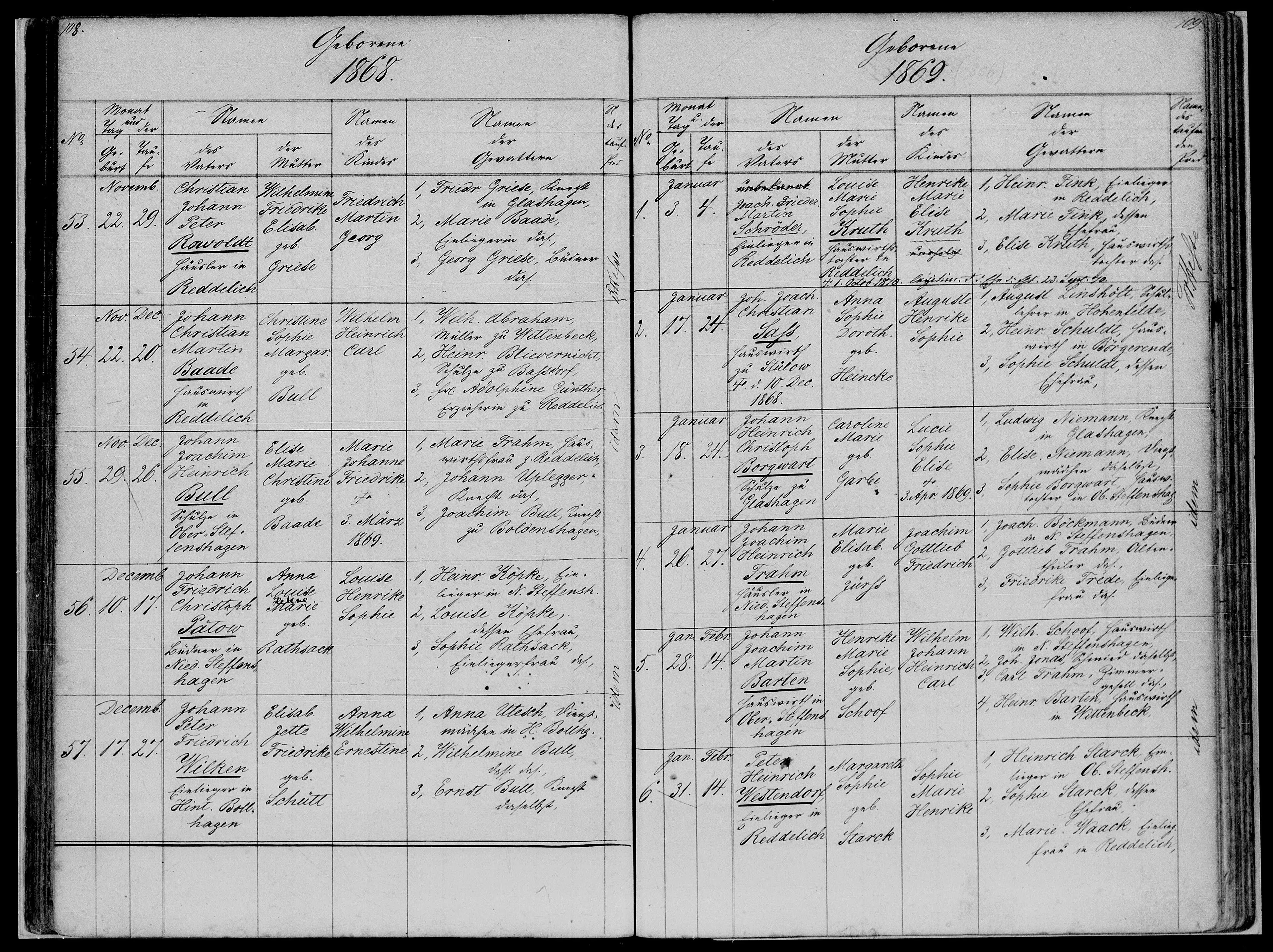
On the illustrated German church spread, locate the entry for Wilhelm Barten. These records place the child's name, dates, parents, and sponsors in separate columns. Follow the headings across the complete church row before copying a name. Birth and baptism describe different events; keep both date fields when you transcribe the German records. Return to the original if a name remains uncertain.
- Record the church entry number before extracting the German names.
- Keep the written dates separate from any standardized date you add.
- Copy German spelling first; record a modern place name in a note.
- Mark uncertain letters so another reader can revisit the same records.
Keep the records traceable
Save the image, transcription, and research notes as separate files. German church records can share names across several generations, so preserve the parish and page reference with each finding. A later family tree or index can suggest which records to examine, but check its conclusions against the original church entry.
Separate handwriting from language
Make a checked draft of your church records
Keep the original page in view while reviewing names, events, and family relationships.
Frequently asked questions
- Are German church records always written in German?
No. A church register can contain German and Latin, with different language choices across dates or entry types. Identify the language of the passage you are reading instead of assuming the whole volume is uniform.
- Can I use an index instead of reading church records?
An index helps locate German records, but it may omit sponsors, witnesses, occupations, or marginal additions. Check the church entry before recording a relationship as confirmed.
- What should I save with German church records?
Keep the parish, register title, page, entry number, and archive reference. Store the church image with its checked transcription so someone else can find and review the same records.