5 min read
How to Transcribe Handwritten Diaries
Transcribe handwritten diaries while preserving dates, page order, shorthand, and uncertain words. Follow a three-step workflow with review examples.
On this page
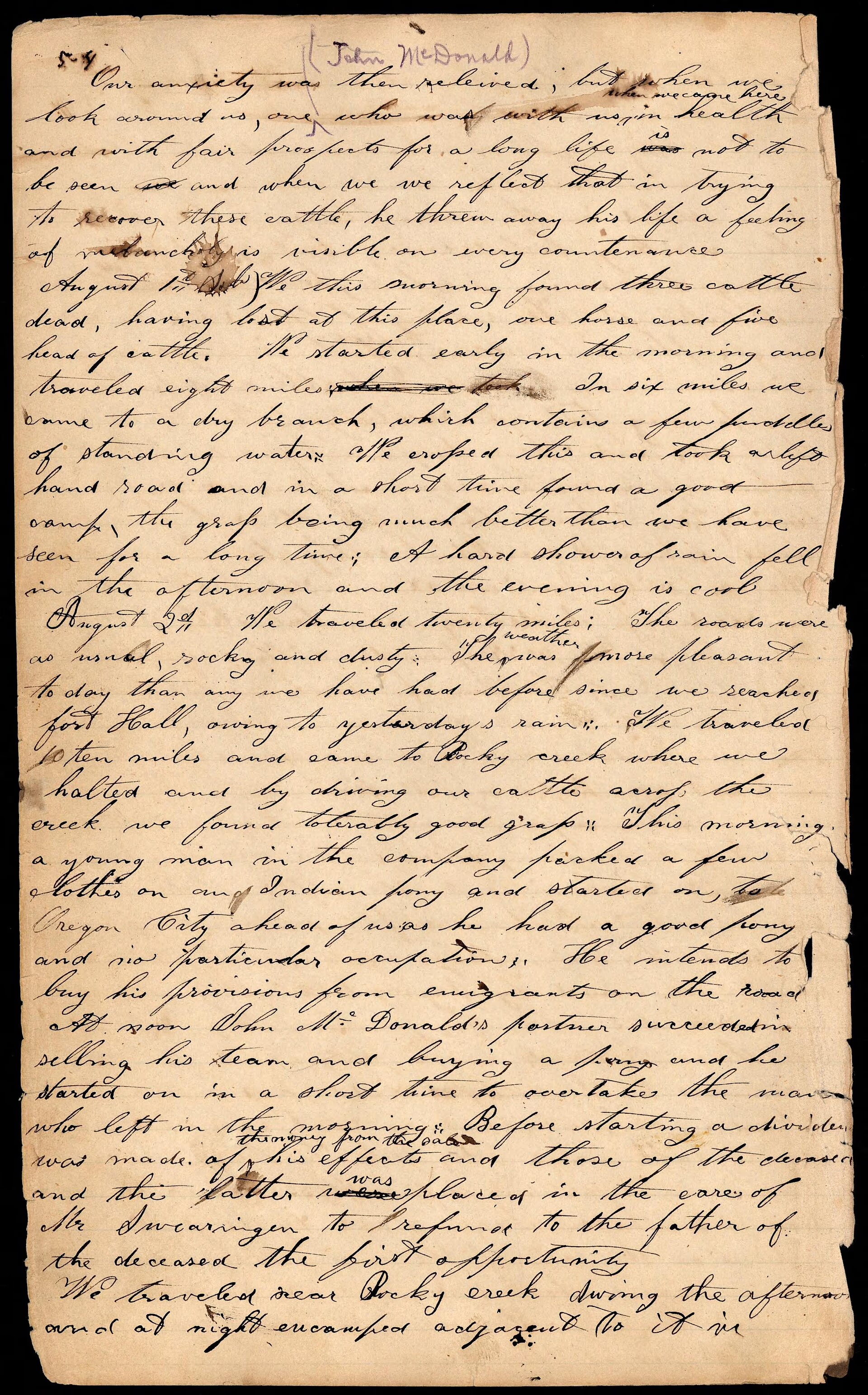
To transcribe handwritten diaries, preserve the order of entries. Diaries combine dates, personal shorthand, corrections, and references that may only make sense several pages later. Transcribe what the page supports, keep uncertain words visible, and store the checked text with its source image.
Organize diaries before you transcribe
Number the photographed pages in their physical order. Diaries can contain undated entries, inserted sheets, or writing continued backward from the last page. Note those features before sorting by date. Keep the original order available even if you later create a chronological reading copy. Add a source page identifier to each entry.
Choose how to transcribe diary details
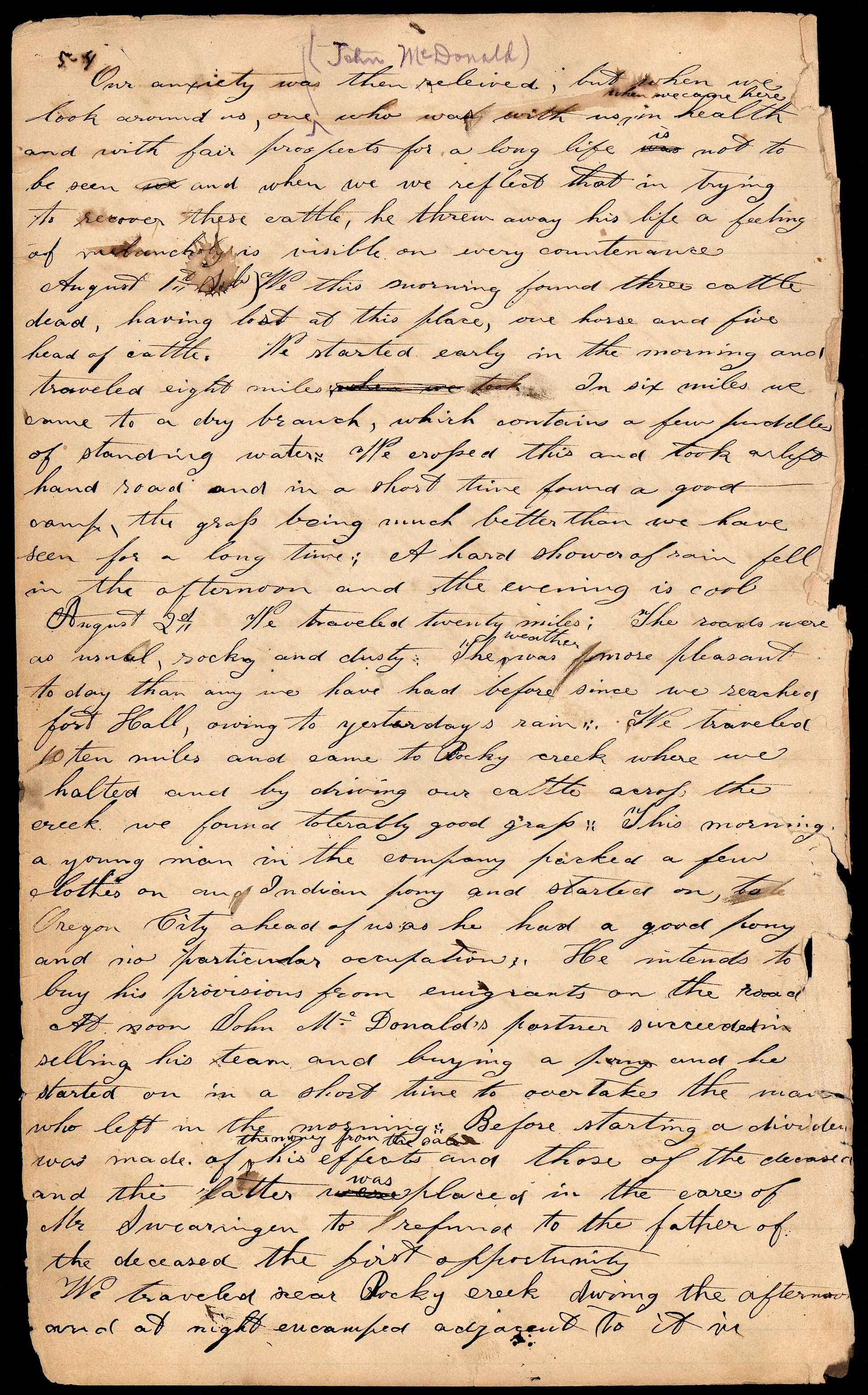
Transcribe the original wording first, then make a separate reading copy if needed. Transcribe dates as written rather than silently supplying a missing year. Diaries may use initials for recurring people; keep those initials in the text and record your proposed identification in a note. Explain your notation before you transcribe a long sequence.
| Feature in diaries | What to transcribe | What belongs in notes |
|---|---|---|
| An undated entry | Its visible heading and page identifier | A proposed date and evidence for it |
| Personal shorthand | The abbreviation as written | A possible expansion supported elsewhere in the diaries |
| A later insertion | The words and their position in the entry | Why you think it was added later |
How to transcribe handwritten diaries step by step
Use the handwritten notes converter for a draft. For scanned diaries in one file, the handwritten PDF converter keeps the source pages together. Transcribe and review a short section before committing to a large collection.
1. Upload diaries in page order
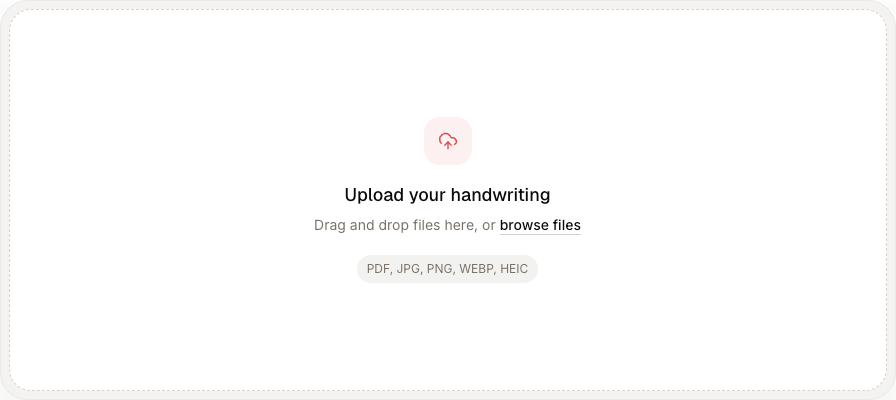
Select browse files or drag in your page images. To transcribe diaries stored as a PDF, upload that file alone. Check that the preview contains the right pages and no duplicates. Photograph folded inserts separately, and retain an overview showing where they belong in the diaries.
2. Convert and transcribe missing details
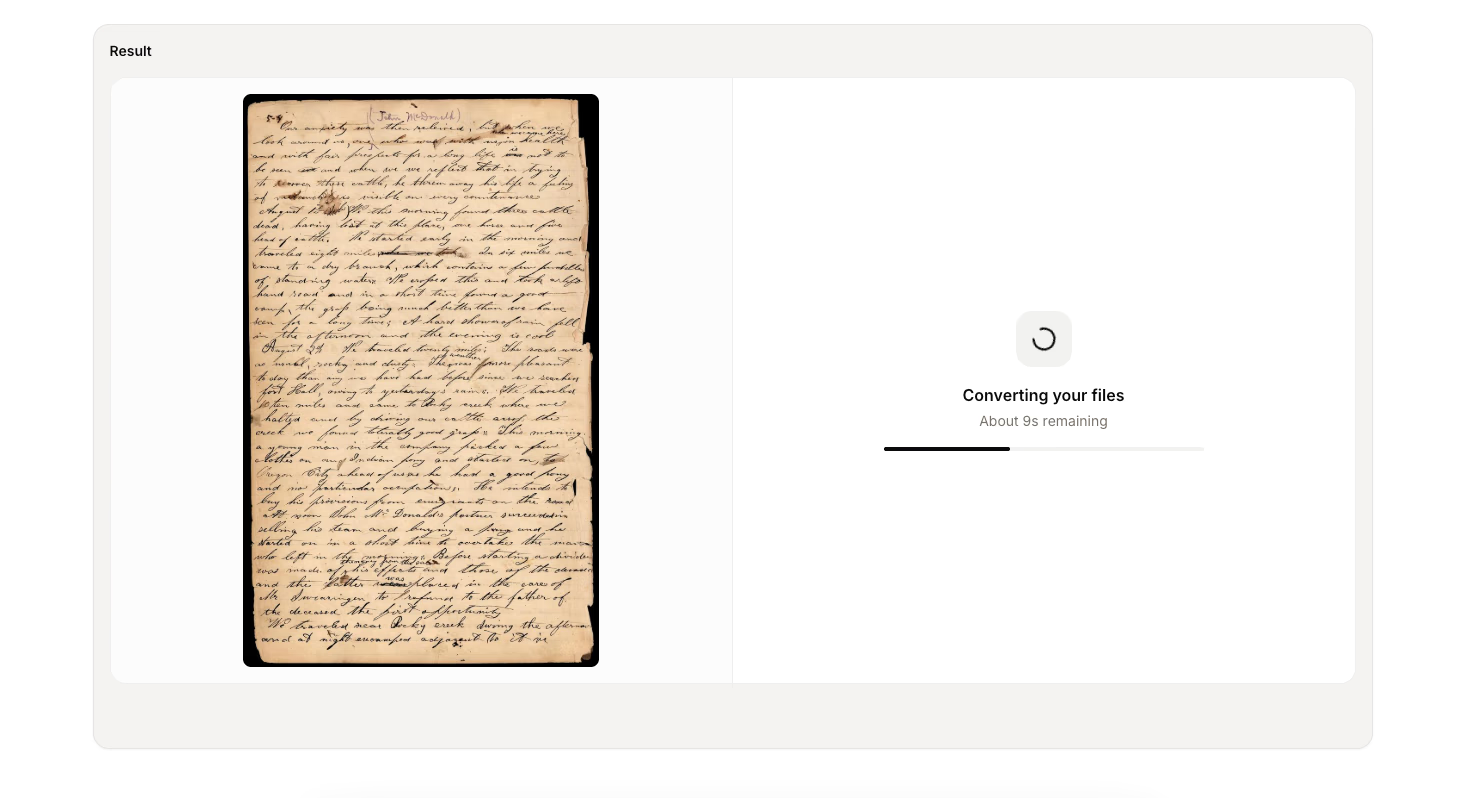
Select Convert and keep the page open while processing. Compare the result with the image when it appears. Transcribe any omitted headings, dates, or legible marginal words. In multi-page diaries, use the page controls to check the end of one entry against the beginning of the next.
3. Review diaries and download checked text
Transcribe uncertain passages only when the strokes support a reading. Review names, dates, quantities, and negatives separately. Download TXT, Word, or Markdown after checking; multi-page jobs also offer Download All. Keep diaries and their transcripts linked through matching page identifiers, even when exported together.
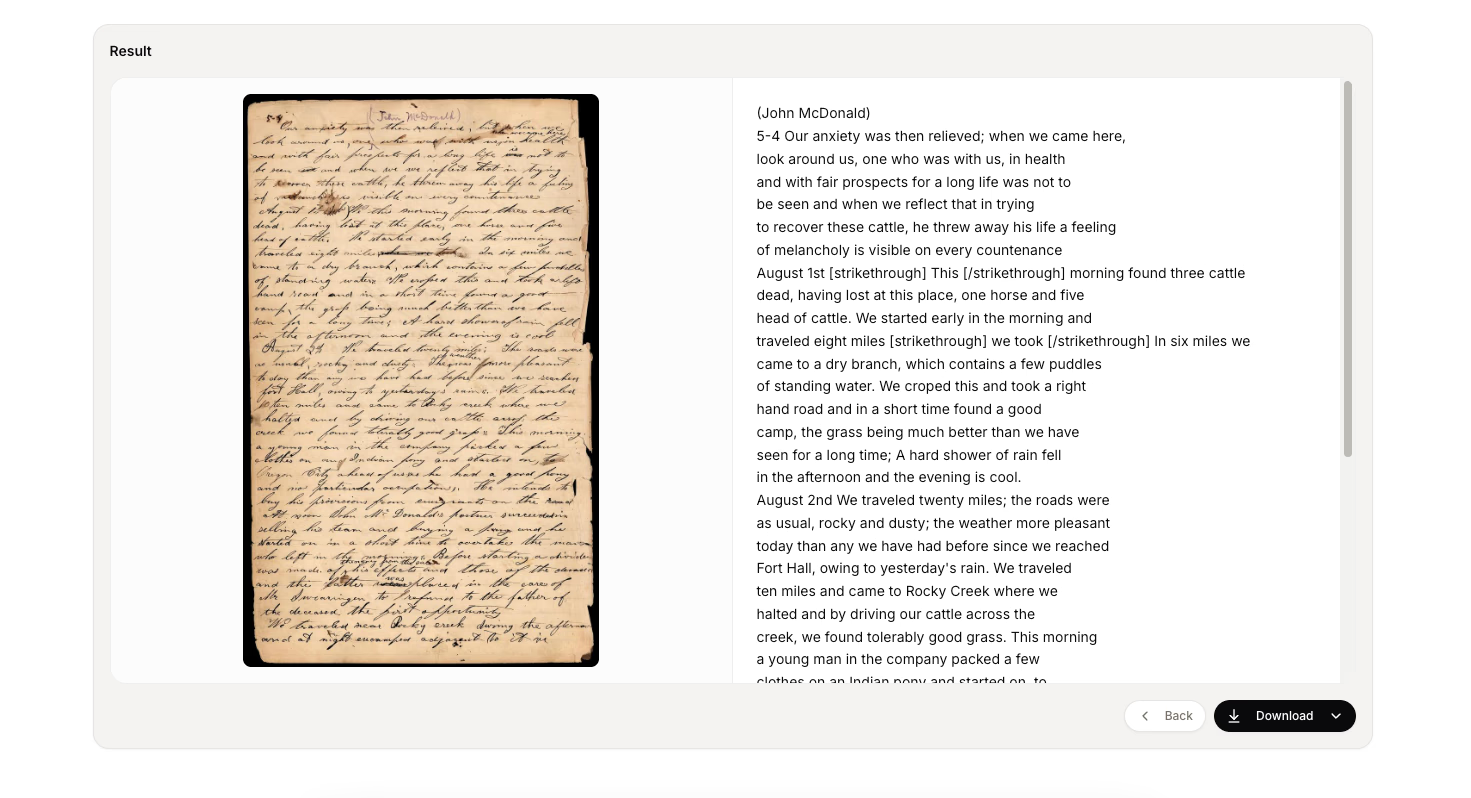
Transcribe a dated entry without filling gaps
Consider an illustrative line: “12 May — saw J. at the station.” Transcribe the visible date and initial. Diaries elsewhere in the collection may suggest that J. means Jane, but record that as a research note. Do not replace the initial unless you are deliberately making a clearly labeled edited version of the diaries.
As you transcribe diaries, keep a working list of recurring names and abbreviations. Compare each new occurrence before treating it as the same person. A writer can use identical initials for different people, and diaries written over many years may show changing handwriting.
Save diaries with a review trail
Keep the original capture, first draft, and checked text separately. Record a review date and page reference in your project notes. If you share diaries with relatives, distinguish original wording from later explanations. Keep the result traceable to the page.
Do not smooth away uncertainty
Start with a short section of your diaries
Compare a draft with the original, then keep the checked text in page order.
Frequently asked questions
- Should I expand initials when I transcribe diaries?
Keep the initial in the source text. Diaries may reveal a likely identity elsewhere, but write that explanation in a note so a later reader can distinguish evidence from interpretation.
- Can I transcribe diaries with missing dates?
Yes. Preserve the entry order and record the missing date explicitly. If other diaries or letters suggest a date, keep the proposed date separate from the transcription.
- Should I transcribe all my diaries in one job?
Begin with a small, readable section and review the results. Work within the page limits of your plan, and keep the order and source references consistent as you transcribe more diaries.